
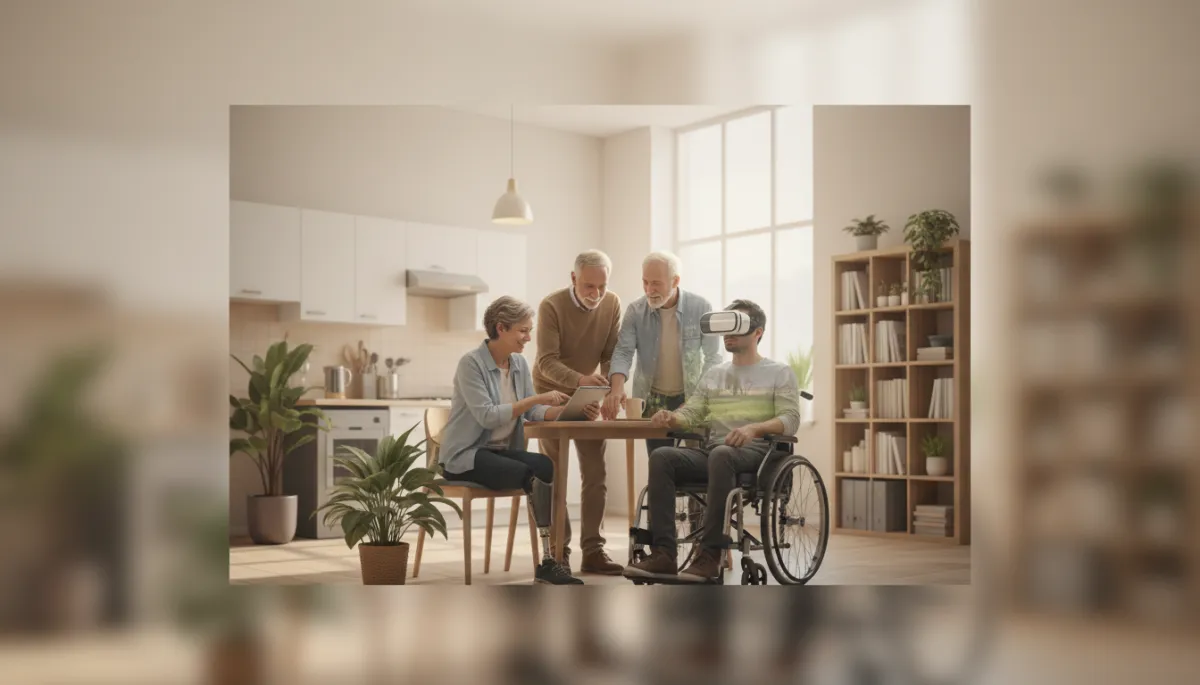
VR&E Independent Living: Veteran Support Program
Veterans Support, Independent Living, VR&E Program, Disability Assistance, Work Alternatives
VR&E Independent Living Track: Support for Veterans Unable to Work
For some Veterans, service-connected disabilities make traditional employment unrealistic, at least for a period of time. The Department of Veterans Affairs (VA) Vocational Rehabilitation and Employment (VR&E) Program offers the Independent Living Track to ensure that those who cannot work are not left without support. This option focuses on quality of life, safety, and meaningful daily activities rather than a job title or paycheck.
Understanding the VR&E Program and Its Independent Living Track
The VR&E Program, also known as Veteran Readiness and Employment, is designed to help Veterans with service-connected disabilities prepare for, find, and maintain suitable employment. However, the VA recognizes that not every Veteran can return to work, even with extensive accommodations. For those individuals, the Independent Living Track offers an essential form of Veterans Support focused on daily functioning, autonomy, and long-term well-being.
Instead of concentrating on job training or immediate employment, the Independent Living Track aims to improve your ability to live as independently as possible in your home and community. This may include home modifications, assistive technology, mental health and social support, and structured activities that bring meaning and purpose to everyday life. It is a core part of the VA’s Disability Assistance system for those whose disabilities currently prevent them from working.
📌 Key Takeaway: The Independent Living Track is designed for Veterans whose service-connected disabilities make employment not feasible right now, focusing on quality of life and daily independence instead of job placement.
Who Is the Independent Living Track For?
The Independent Living Track is intended for Veterans who, after evaluation, are found to be unable to pursue employment at this time due to the severity of their service-connected disabilities. This may include physical limitations, chronic pain, traumatic brain injury (TBI), serious mental health conditions, or a combination of challenges that make work unrealistic or unsafe. The VR&E Program looks at your overall situation, not just your diagnosis, to determine whether Independent Living services are appropriate.
You may be a candidate if your disabilities significantly limit your ability to perform daily tasks such as bathing, dressing, cooking, or managing medications.
You may also qualify if leaving the home, traveling, or interacting with others is extremely difficult due to physical or psychological conditions.
In some cases, you may be temporarily unable to work while you stabilize, recover, or build skills for daily living.
It is important to understand that being on the Independent Living Track is not a failure or a permanent label. For some Veterans, it is a long-term path to a safer and more comfortable life. For others, it is a stepping stone toward future participation in other VR&E services or Work Alternatives that may become realistic as health and circumstances improve.
Core Goals of Independent Living for Veterans
Independent Living does not mean doing everything on your own. It means having the right supports, tools, and environment so that you can participate in life as fully as your health allows. Within the VR&E Program, Independent Living services are built around several core goals that reflect a holistic approach to Veterans Support and Disability Assistance:
Safety and Accessibility at Home: Ensuring your living space is safe, accessible, and adapted to your needs is often the first priority. This may include ramps, grab bars, widened doorways, or specialized furniture and equipment that reduce the risk of falls or injuries.
Daily Living Skills: Supporting you in tasks such as cooking, personal care, budgeting, and transportation. This may involve training, assistive devices, or in-home support services coordinated through the VA or community partners.
Health and Wellness: Encouraging routines and resources that support physical and mental health, including exercise, therapy, and stress management. This is especially important for Veterans dealing with chronic conditions, PTSD, or depression.
Social Connection and Purpose: Helping you stay engaged with family, friends, hobbies, and your community. Isolation can worsen many conditions, so Independent Living services often focus on meaningful activities, peer support, and structured routines that bring a sense of purpose.
💡 Pro Tip: When you meet with your VR&E counselor, think beyond medical needs. Consider what makes your life feel meaningful—hobbies, relationships, spiritual practices, or community involvement—and mention these as part of your Independent Living goals.
Types of Services and Supports Available Through Independent Living
The specific services you receive will depend on your needs and the results of your comprehensive evaluation. However, there are several common categories of Independent Living assistance within the VR&E Program that many Veterans find helpful. These supports are tailored to your situation and may change over time as your abilities and goals evolve.
Home Modifications and Adaptive Equipment
Many Veterans need changes to their living environment to move safely and perform daily tasks. Through the Independent Living Track, you may be evaluated by occupational therapists or rehabilitation specialists who recommend modifications and equipment such as:
Ramps, stair lifts, or roll-in showers for wheelchair users or those with mobility challenges.
Grab bars, non-slip flooring, and improved lighting to reduce fall risks.
Adaptive kitchen tools, specialized seating, or voice-activated devices that make daily tasks more manageable.
These changes are not just about comfort; they are a form of essential Disability Assistance that can prevent injuries, reduce dependence on others, and support long-term Independent Living in your own home rather than in a facility.
Assistive Technology and Communication Tools
Technology plays an increasingly important role in Veterans Support. The VR&E Independent Living Track may provide or recommend tools such as:
Screen readers, magnifiers, or specialized software for Veterans with visual impairments.
Speech-to-text programs or communication devices for those who have difficulty speaking or using a traditional keyboard.
Tablets, smartphones, or computers configured with accessibility settings to help you stay connected to family, friends, and healthcare providers.
These tools can also open the door to future Work Alternatives, such as remote volunteering, online education, or part-time tasks that match your abilities. Even if employment is not the current goal, building comfort with technology can expand your options later on.
Counseling, Mental Health, and Social Support
Living with a serious disability can be emotionally demanding. Feelings of loss, frustration, or isolation are common, especially if you are no longer able to work in the way you once did. The VR&E Program often coordinates with VA mental health services and community resources to connect you with:
Individual counseling or therapy for depression, anxiety, PTSD, or adjustment challenges.
Peer support groups where you can share experiences and coping strategies with other Veterans.
Family education and support services to help loved ones understand your needs and participate in your Independent Living plan.
Emotional resilience and social connection are as important as physical accommodations. They are essential elements of comprehensive Veterans Support and can significantly influence your overall quality of life.

Peer connection and shared experience often become vital anchors in independent living journeys.
Structured Activities, Hobbies, and Community Engagement
Independent Living is not just about surviving day to day; it is about thriving in ways that matter to you. Your VR&E counselor may help you explore and access activities that provide a sense of purpose, accomplishment, and enjoyment. Depending on your interests and abilities, this could include:
Art, music, or writing programs tailored to Veterans with physical or cognitive limitations.
Adaptive sports or outdoor activities that respect your health needs while encouraging movement and social interaction.
Volunteer roles, mentoring opportunities, or community projects that allow you to continue serving in ways that fit your abilities.
These activities can function as meaningful Work Alternatives when traditional employment is not possible. They provide structure, connection, and personal growth without the demands of a standard job.
How the Independent Living Process Works
Entering the Independent Living Track typically begins the same way as other VR&E services: by applying to the VR&E Program and meeting with a counselor. Understanding the general steps can help you feel more prepared and confident as you move forward.
1. Application and Eligibility Review
To begin, you apply for VR&E services, usually online through VA.gov or with assistance from a VA representative. The VA reviews your service-connected disability rating and other eligibility criteria. If you qualify, you are scheduled to meet with a VR&E counselor who will guide you through the next steps and discuss whether employment-focused services or Independent Living support is most appropriate at this time.
2. Comprehensive Evaluation of Your Needs and Abilities
If your counselor believes the Independent Living Track may fit your situation, you will undergo a detailed assessment. This may include medical records, evaluations by occupational or physical therapists, and discussions about your daily routine, challenges, and goals. The goal is to understand how your disabilities affect your life at home and in the community, and what types of Disability Assistance would make the greatest positive difference.
3. Creating Your Individualized Independent Living Plan
Based on your evaluation, you and your counselor will develop a written plan that outlines specific goals, services, and timelines. This plan might include home modifications, equipment, training, counseling, and community-based activities. It will also identify who is responsible for each part of the plan—whether that is the VA, community providers, or other agencies—and how progress will be reviewed over time.
📌 Key Takeaway: Your Independent Living plan is a collaborative document. Speak openly about your needs, preferences, and concerns so that your Veterans Support team can design services that truly match your life.
4. Implementation, Follow-Up, and Adjustment
Once your plan is approved, services begin. You may see contractors completing home modifications, receive new equipment, start training, or connect with therapists and community programs. Your counselor will check in periodically to monitor how things are going, troubleshoot any issues, and adjust the plan as needed. Independent Living services are typically time-limited, but the goal is to create lasting improvements that continue to benefit you long after the formal program ends.
Independent Living and Work Alternatives: Redefining “Success”
For many Veterans, identity and pride are closely tied to work and service. When disability makes traditional employment impossible, it can feel like a profound loss. The Independent Living Track encourages a broader definition of success—one that values health, safety, relationships, and personal fulfillment just as much as a paycheck. At the same time, it does not close the door to future Work Alternatives if and when they become realistic for you.
Work Alternatives may include flexible, low-pressure opportunities that align with your abilities and energy levels, such as:
Remote or part-time consulting based on your military or civilian skills, if your health allows limited work.
Volunteering with local organizations, schools, or Veteran groups, providing structure and purpose without the pressure of formal employment.
Creative or educational projects, such as writing, art, or online learning, which can be deeply meaningful even if they are not tied to income.
The VR&E Program’s Independent Living services can lay the foundation for these alternatives by stabilizing your environment, improving your health, and helping you build confidence in your daily routines. If your situation changes over time, you may revisit VR&E to explore employment-focused tracks or additional Disability Assistance that supports new goals.
Practical Tips for Veterans Considering the Independent Living Track
If you believe the Independent Living Track might be right for you, there are several steps you can take to prepare and advocate for your needs effectively. These practical strategies can help you get the most out of the VR&E Program and the broader network of Veterans Support services available to you.
Document Your Daily Challenges and Priorities
Before meeting with your VR&E counselor, spend a few days noting where you struggle most in your daily life. Consider:
Tasks that are painful, exhausting, or unsafe, such as climbing stairs, bathing, or preparing meals.
Situations that trigger anxiety, flashbacks, or other mental health symptoms, such as crowded places or loud environments.
Activities you miss or wish you could return to, including hobbies, social events, or community involvement.
This information will help your counselor understand your reality and design an Independent Living plan that addresses the areas that matter most to you.
Involve Family or Caregivers When Appropriate
If you have a spouse, partner, family member, or caregiver who plays a significant role in your daily life, consider inviting them to be part of the conversation with your VR&E counselor. They may notice challenges you have adapted to or minimized, and they can help clarify what types of support would make the biggest difference at home. Their involvement can also ensure that any home modifications or new equipment are practical for everyone using the space.
Ask Questions and Clarify Expectations
The VR&E Program can be complex, and it is normal to have questions. During your meetings, do not hesitate to ask about timelines, specific services, or how decisions are made. You may want to ask:
Which Independent Living services are most likely to be approved for my situation?
How long does it usually take for home modifications or equipment to be provided?
How often will we review my plan, and what happens if my needs change?
Clear communication helps align expectations and ensures that you understand how your Independent Living plan will unfold over time.
Connect with Other Veterans and Advocacy Resources
Many Veterans find it helpful to speak with others who have gone through the VR&E Independent Living Track or similar Disability Assistance programs. Veterans service organizations, peer support groups, and online communities can offer practical tips, encouragement, and insight into what to expect. They can also help you advocate for yourself if you encounter obstacles or delays in receiving services.
💡 Pro Tip: Keep copies of all paperwork, evaluations, and correspondence related to your VR&E case. Organized records make it easier to follow up, request updates, or clarify details if questions arise later.
Moving Forward: Embracing Independent Living as a Valid Path
Choosing the VR&E Independent Living Track can bring up mixed emotions. You may feel relief that your limitations are being recognized and supported, but also grief or frustration about not being able to work as you once did. Both reactions are understandable. It is important to remember that Independent Living is not about giving up; it is about building a life that respects your current reality while still honoring your strengths, values, and aspirations.
Through home modifications, assistive technology, counseling, and community engagement, the VR&E Program offers a comprehensive framework of Veterans Support for those who cannot pursue employment. When combined with other VA benefits and community resources, Independent Living services can help you:
Stay safer and more comfortable in your own home.
Maintain or regain a sense of control over your daily routine.
Strengthen relationships with family, friends, and peers who understand your journey.
Explore Work Alternatives and meaningful activities that reflect who you are beyond your disability.
If you are a Veteran living with significant service-connected disabilities and traditional employment is not currently possible, you do not have to face this reality alone. The VR&E Independent Living Track exists specifically to provide structured, individualized Disability Assistance that supports your independence, dignity, and quality of life. Reaching out to learn more, apply, and begin the conversation with a VR&E counselor is a strong, proactive step toward building the kind of life that works for you today—and creates options for tomorrow.
📌 Key Takeaway: If you’re ready for one-on-one guidance with your VA benefits and VR&E options, visit PathfinderBenefits.com to connect with support tailored to your situation.