
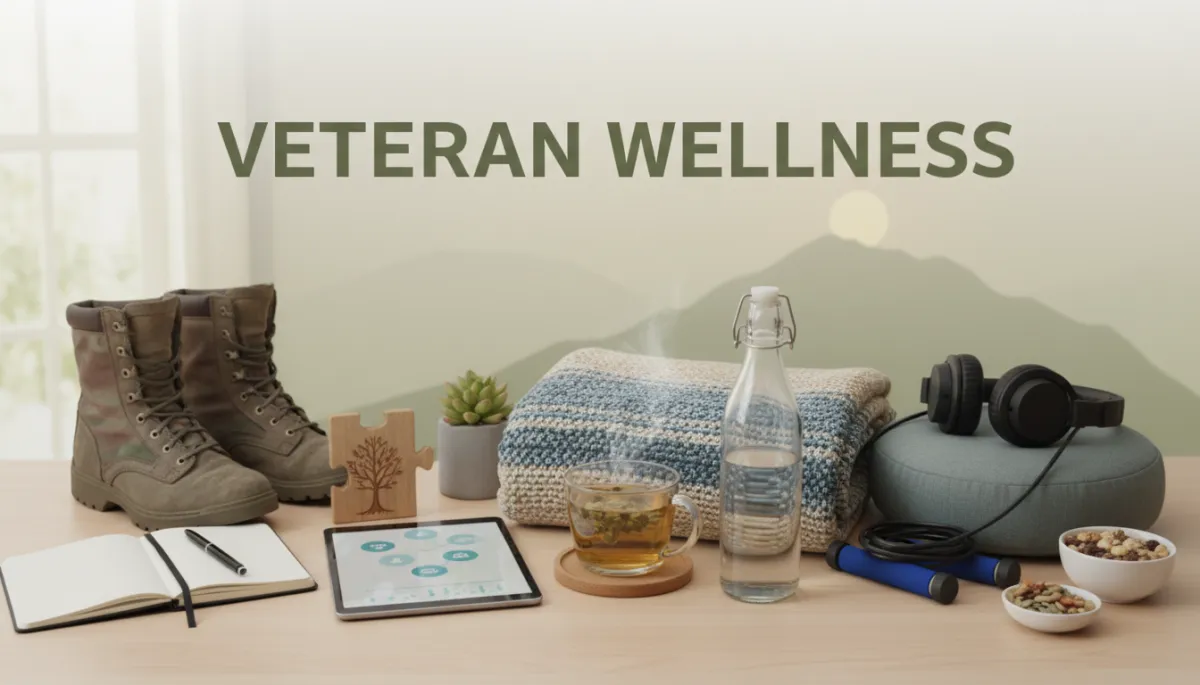
Create Your Veteran Personalized Wellness Plan
Veteran Wellness, Personalized Health Plan, Mental Health Veterans, Wellness Strategies
How to Create a Veteran Personalized Wellness Plan
Building a healthier life after military service is absolutely possible, and you don’t have to do it alone. This guide will walk you step by step through creating a realistic, compassionate, and effective Veteran Personalized Wellness Plan that honors your service, your experiences, and your goals for the future.
Why Veteran Wellness Needs a Personalized Approach
Your time in uniform shaped you in powerful ways. It may have given you resilience, discipline, and a strong sense of purpose. It may also have brought challenges like chronic pain, sleep issues, or invisible wounds such as PTSD, anxiety, or depression. That’s why Veteran Wellness can’t be one-size-fits-all. A generic plan pulled from the internet won’t fully reflect your experiences, your strengths, or the specific support you may need as a veteran.
A Personalized Health Plan takes your unique story into account. It respects the fact that you might be managing service-connected injuries, navigating the VA system, rebuilding a civilian routine, or supporting a family while you work on your own healing. Instead of trying to squeeze yourself into a rigid program, you’ll create a flexible roadmap that fits your life as it is right now—and can grow with you over time.
💡 Friendly reminder: There is no “perfect” wellness plan. The best plan is one you’ll actually use, one small step at a time.
Step 1: Take Stock of Where You Are Right Now
Every strong mission starts with a clear assessment. Before you set goals or pick wellness strategies, take a gentle, honest look at your current health. This is not about judging yourself; it’s about understanding your starting point so your Veteran Personalized Wellness Plan can be realistic and supportive, not overwhelming.
Check in on your physical health
How is your energy level most days—low, moderate, or high?
Are you dealing with chronic pain, injuries, or mobility issues?
How are your sleep patterns? Do you fall asleep easily and stay asleep?
When was your last check-up with a primary care provider or VA clinician?
Check in on your mental and emotional health
Mental Health for Veterans is a core part of overall wellness, not an afterthought. It’s completely normal for veterans to experience symptoms of PTSD, anxiety, depression, moral injury, or grief. Asking yourself a few questions can help you understand what support you might need:
Do you feel on edge, angry, or “numb” more often than you’d like?
Are memories, nightmares, or flashbacks interfering with your daily life?
Do you find yourself avoiding people, places, or situations that remind you of your service?
How connected do you feel to others—family, friends, or fellow veterans?
📌 Key takeaway: Your assessment isn’t a test you pass or fail. It’s a snapshot that helps you build a Personalized Health Plan that actually fits your reality.
Step 2: Clarify Your “Why” and Set Meaningful Goals
In the military, every mission has a purpose. Your Veteran Wellness mission needs one too. Ask yourself: Why do I want to improve my health right now? Your answer might be to play with your kids without getting winded, to sleep through the night, to lower your blood pressure, or to feel less on edge in public spaces. Whatever your reasons, write them down. They’ll keep you grounded when motivation dips.
Turn your “why” into specific goals
Vague goals like “get healthier” are hard to stick with. Instead, create clear, manageable goals that you can measure. Here are a few examples tailored for a Veteran Personalized Wellness Plan:
“Walk for 10 minutes three times a week for the next month.”
“Schedule and attend one mental health appointment with the VA or a community provider.”
“Practice a 5-minute breathing exercise before bed at least four nights a week.”
💡 Pro Tip: Start smaller than you think you need to. Early wins build confidence and make it easier to add more wellness strategies later.
Step 3: Choose Wellness Strategies for Your Body
Physical health is a major pillar of any Personalized Health Plan. For veterans, it’s especially important to choose wellness strategies that respect your body’s history—injuries, surgeries, or wear and tear from training and deployments. You don’t have to train like you did in basic to make meaningful progress. Gentle, consistent movement can improve mood, sleep, and pain levels over time.
Movement that works with, not against, your body
Walking: A simple, low-impact option that can be done almost anywhere. Start with 5–10 minutes and build up gradually.
Chair exercises: Great if you have mobility challenges or chronic pain. Many VA facilities and veteran organizations offer guided routines.
Yoga or stretching: Gentle stretching and yoga tailored for veterans can ease tension, improve flexibility, and support Mental Health for Veterans by encouraging relaxation.
Fueling your body with supportive nutrition
Nutrition doesn’t have to be complicated or strict. Focus on small, realistic changes that fit your life and budget:
Add one serving of vegetables to a meal you already eat most days.
Swap one sugary drink for water, herbal tea, or a flavored seltzer.
Aim for regular meals to avoid long stretches of not eating, which can worsen mood and energy dips.

Small, steady nutrition changes can quietly transform energy, mood, and resilience over time.
Step 4: Make Mental Health a Central Part of Your Plan
For many veterans, the toughest battles happen long after leaving the service. Prioritizing Mental Health for Veterans is not a sign of weakness—it’s a sign of strength and self-respect. Your Veteran Personalized Wellness Plan should treat mental and emotional wellness as just as important as physical fitness or nutrition.
Professional support options for veterans
VA mental health services: The VA offers counseling, medication management, and specialized programs for PTSD, substance use, and more. Your primary care provider can help you connect with these services.
Community providers: Many therapists and counselors specialize in Mental Health for Veterans, even outside the VA system. Some offer sliding-scale fees or work with veteran-focused nonprofits.
Peer support groups: Talking with other veterans who “get it” can be incredibly grounding. Look for groups through the VA, Vet Centers, or local organizations.
Everyday wellness strategies for your mind
In addition to professional support, you can build simple daily habits into your Personalized Health Plan to calm your nervous system and support emotional balance:
Breathing exercises: Slow, deep breathing for just a few minutes can reduce stress and help you feel more grounded. Try inhaling for a count of four, holding for four, and exhaling for six.
Grounding techniques: When anxiety spikes, gently focus on what you can see, hear, and feel in the present moment. This can help pull your mind out of flashbacks or racing thoughts.
Journaling: Writing down your thoughts, worries, or wins for the day can help you process emotions and track progress in your Veteran Wellness journey.
⚠️ If you’re in crisis: In the U.S., you can call or text 988 and press 1 for the Veterans Crisis Line, or chat online with a responder who understands military culture and veteran experiences.
Step 5: Strengthen Your Support Network
In the military, you rarely went into anything alone. Your wellness mission deserves the same level of backup. A strong support network can make it much easier to stick with your Veteran Personalized Wellness Plan and navigate setbacks with resilience and compassion.
Who can be on your wellness “team”?
Family members or partners who encourage your goals and respect your boundaries.
Fellow veterans who understand the transition to civilian life and can share practical wellness strategies that worked for them.
Healthcare providers—both physical and mental health—who listen to you and treat you as a partner in your care.
Consider telling one or two trusted people about your goals. You don’t have to share every detail of your service or your struggles. Simply saying, “I’m working on a new wellness plan and I’d appreciate your support,” can open the door to helpful conversations and accountability.
Step 6: Put It All Together into a Simple, Written Plan
Now it’s time to bring everything together into one clear, written Veteran Personalized Wellness Plan. Writing it down makes it more real and gives you something to refer back to on tough days. Your plan doesn’t need to be fancy. A notebook page, a note in your phone, or a printed template are all perfectly fine.
A simple wellness plan template for veterans
You can adapt this structure to fit your life:
My Why: One or two sentences about why your wellness matters to you right now.
Physical Health Goals: 1–3 specific actions (for example, walking, stretching, or scheduling a medical appointment).
Mental Health Goals: 1–3 actions that support Mental Health for Veterans, such as therapy, a support group, or daily grounding exercises.
Daily or Weekly Habits: Simple, repeatable actions—like a 10-minute walk after dinner or journaling before bed—that fit into your routines.
Support Team: Names and contact info for people and resources you can reach out to when you need encouragement or help.
💡 Friendly suggestion: Keep your plan somewhere visible—a fridge, a nightstand, or a phone background—so it stays top of mind without feeling like a chore.
Step 7: Adjust, Adapt, and Celebrate Progress
A strong Personalized Health Plan isn’t carved in stone. Life changes, symptoms flare up or calm down, and your priorities shift. That’s normal. Instead of thinking of your plan as something you either “stick to” or “fail,” treat it as a living document you can adjust whenever you need to.
Regular check-ins with yourself
Once a week, take five minutes to ask: What went well? What felt hard? What might I tweak for next week?
Once a month, look at your overall progress. Are your wellness strategies still serving you, or do they need updating?
Just as you would in any mission debrief, focus on learning rather than blame. If something didn’t work, it doesn’t mean you failed; it just means that particular strategy wasn’t the right fit. You can always try a different approach that better supports your Veteran Wellness goals.
Celebrate even the smallest wins
Progress in wellness is often subtle. Maybe you slept an extra hour, had one less nightmare, felt a little calmer in a crowded store, or walked around the block when you didn’t feel like it. These are real victories. A friendly mindset toward yourself—rather than a harsh, drill-sergeant approach—will keep you going much longer.
📌 Key takeaway: Your Veteran Personalized Wellness Plan is a journey, not a test. You’re allowed to change course, slow down, or take breaks and still be moving forward.
Bringing It All Together: Your Next Mission
Creating a Veteran Personalized Wellness Plan is about more than checking boxes for exercise or nutrition. It’s about honoring your service, acknowledging your challenges, and giving yourself permission to heal in your own way and at your own pace. You’ve already done hard things. Building a sustainable wellness routine is another mission you are fully capable of completing—step by step, day by day.
As you move forward, remember these core ideas:
Your experience matters. Veteran Wellness must be tailored to your unique history, strengths, and needs.
Mental health is health. Prioritizing Mental Health for Veterans is a sign of courage, not weakness.
Small steps count. Gentle, consistent wellness strategies add up to big changes over time.
You’re not alone. Support is available—from the VA, community providers, fellow veterans, and the people who care about you.
If you’re ready, take a few minutes today to jot down your “why,” choose one small physical goal, and one small mental health goal. That’s all you need to begin. Your wellness plan doesn’t have to be perfect; it just has to be yours. And with each step you take, you’re building a future that reflects not only where you’ve been, but where you want to go.