
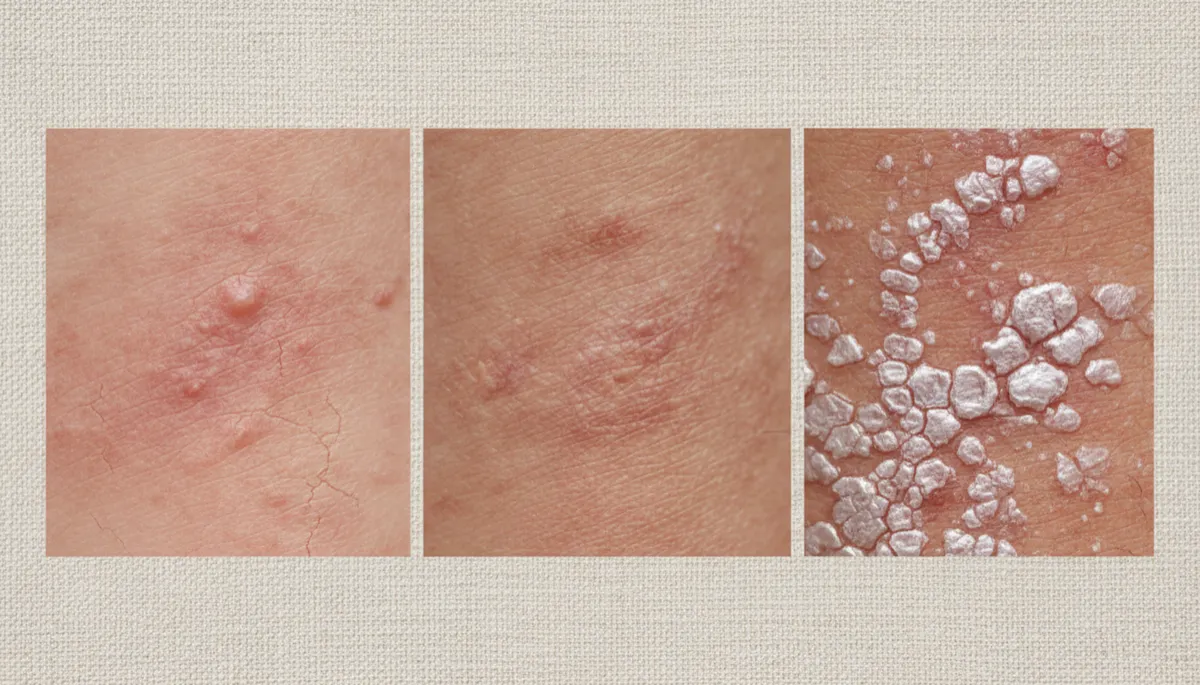
VA Skin Conditions Rating: Eczema, Dermatitis, Psoriasis
Veteran Health, Skin Conditions, VA Rating
Skin Conditions VA Rating Criteria: Eczema, Dermatitis, and Psoriasis
Understanding how the Department of Veterans Affairs (VA) evaluates Skin Conditions such as eczema, dermatitis, and psoriasis is essential for veterans seeking fair disability compensation. This guide explains VA Rating criteria in clear, practical terms so you can better prepare your claim, document your symptoms, and advocate for your health and benefits.
Why Skin Conditions Matter in Veteran Health and VA Benefits
Skin conditions may not always appear as serious as orthopedic injuries or internal illnesses, but for many veterans they cause chronic pain, sleep disturbance, visible scarring, and emotional distress. Eczema, dermatitis, and psoriasis can flare unexpectedly, interfere with daily tasks, and affect confidence in social and professional settings. When these conditions are connected to military service, they may qualify for disability compensation under the VA Rating schedule.
The VA evaluates skin diseases under the Schedule for Rating Disabilities, primarily in 38 C.F.R. § 4.118 (Skin). Ratings are based on the severity of symptoms, percentage of body or exposed areas affected, and type and frequency of treatment, including systemic therapies such as corticosteroids or other immunosuppressive drugs. Understanding these standards is crucial for accurately presenting your condition and its impact on your life as a veteran.
📌 Key Takeaway: Skin conditions like eczema, dermatitis, and psoriasis can be disabling. If they began in service, were aggravated by service, or are secondary to another service-connected condition, they may qualify for compensation.
Overview of Skin Conditions VA Rating Criteria
While each diagnosis has its own code, many inflammatory skin diseases, including eczema, dermatitis, and psoriasis, are evaluated under similar VA Rating criteria. The VA looks at three main factors when assigning a percentage:
Extent of the body affected – The VA estimates what percentage of your entire body or exposed areas (head, face, neck, hands) are involved during typical or worst flare-ups.
Type and duration of treatment – Especially whether you require systemic therapy (such as oral or injected corticosteroids, biologics, or other immunosuppressants) and for how many weeks in a 12-month period.
Functional and occupational impact – How Dermatitis Symptoms, Eczema flare-ups, or Psoriasis plaques interfere with work, daily activities, and social functioning, including pain, itching, bleeding, or infection.
Ratings usually range from 0% (service connection with no compensable impairment) to 60% or higher for severe or widespread disease requiring significant systemic treatment. In some cases, veterans may also receive separate ratings for scarring or disfigurement if the skin condition leaves visible marks, especially on the head, face, or neck.
💡 Pro Tip: When attending a VA examination, try to schedule it during a flare or bring photos taken during severe episodes so the examiner can accurately assess the typical severity of your Skin Conditions.
Eczema: Understanding the Condition and VA Rating Factors
What Is Eczema?
Eczema, often referred to as atopic dermatitis, is a chronic inflammatory skin disease characterized by dry, itchy, and inflamed patches of skin. For many veterans, Eczema Symptoms may worsen with stress, environmental exposures, certain fabrics, or harsh soaps frequently used in field settings. Scratching can lead to skin breakdown, bleeding, and secondary infection, significantly affecting comfort and sleep.
Common Eczema Symptoms in Veterans
Intense itching, especially at night, leading to scratching and skin damage
Red, inflamed patches, often on the hands, arms, neck, or behind the knees and elbows
Thickened, scaly skin due to chronic scratching or rubbing
Oozing or crusting lesions during severe flare-ups
How the VA Rates Eczema
The VA generally evaluates eczema under Diagnostic Code 7806 (dermatitis or eczema). The rating will depend on body surface area involved and treatment requirements. Although exact language evolves over time, typical benchmarks include:
0% – Minimal symptoms controlled with topical therapy, affecting a very small area, with little to no functional impact.
10%–30% – Involvement of at least a small but noticeable area of the body or exposed areas, or intermittent systemic therapy (such as oral steroids) for a limited number of weeks per year.
30%–60% or higher – Extensive body surface involvement, frequent or continuous systemic treatment, or significant interference with work and daily living.
Eczema Treatment often includes medicated creams, moisturizers, antihistamines for itching, and sometimes systemic medications. It is important to document how often you use prescription treatments and whether they are topical or systemic, since this can directly influence your VA Rating.
Eczema Treatment and Self-Management Strategies
Effective Eczema Treatment goes beyond prescription creams. For many veterans, a combination of medical care and daily routines provides the best control:
Using fragrance-free, gentle cleansers and moisturizers to maintain skin hydration
Avoiding known triggers such as certain detergents, wool clothing, or extreme temperatures
Following prescribed regimens of topical corticosteroids or calcineurin inhibitors during flares
Discussing systemic options, such as oral medications or biologics, with your dermatologist if topical therapy is not enough
📌 Key Takeaway: Keep a record of your Eczema Treatment plan, including medications, frequency, and side effects. These details help demonstrate the ongoing impact of eczema on your Veteran Health and can support your VA claim.
Dermatitis: Symptoms, Service Connection, and Rating Considerations
What Is Dermatitis?
Dermatitis is a broad term for skin inflammation. It includes conditions such as contact dermatitis (triggered by irritants or allergens), seborrheic dermatitis (often affecting the scalp and face), and other inflammatory rashes. Veterans may develop Dermatitis Symptoms from repeated exposure to fuels, solvents, chemicals, protective gear, or harsh environmental conditions during service.
Common Dermatitis Symptoms to Document
Accurately describing Dermatitis Symptoms is crucial for both medical treatment and VA Rating purposes. Common symptoms include:
Redness, swelling, or rash in areas exposed to irritants or allergens (hands, forearms, face, neck, or feet)
Itching or burning sensations that worsen with heat, sweating, or friction from uniforms and equipment
Blistering or oozing lesions after direct contact with certain substances
Dry, cracked, or thickened skin after chronic irritation or scratching
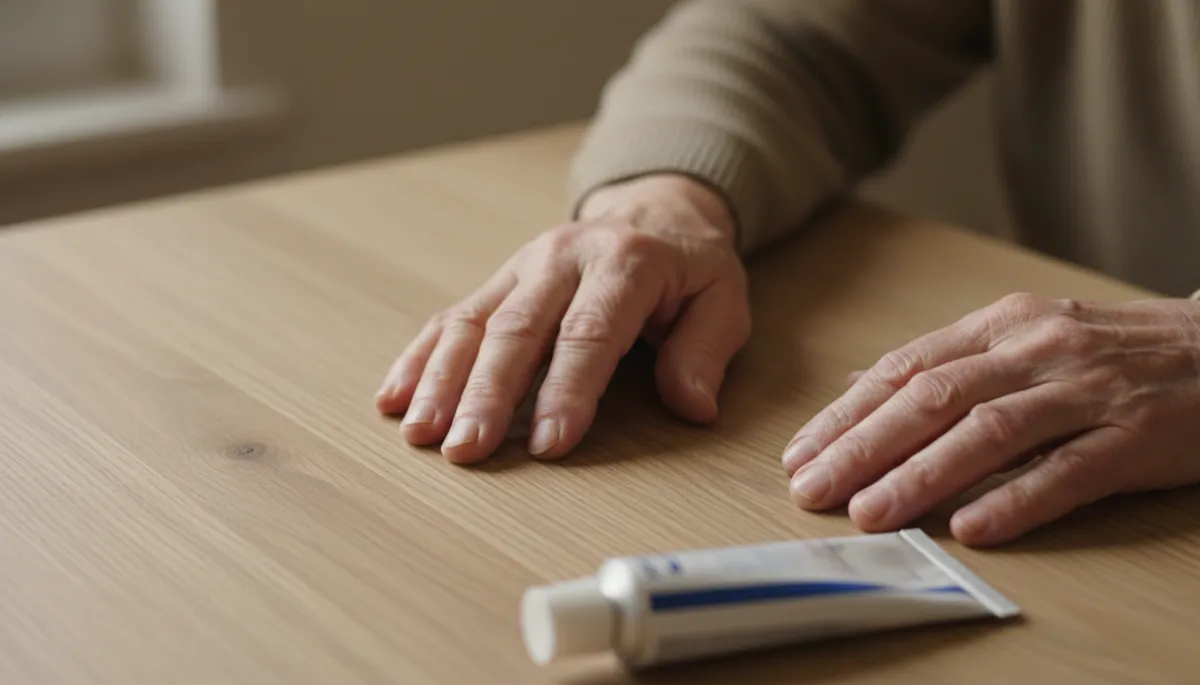
Close-up of a veteran's hands resting on a wooden table, showing mild dermatitis redness and...
Consistent documentation of Dermatitis Symptoms and treatment strengthens the medical evidence in VA claims.
How the VA Evaluates Dermatitis
Dermatitis is often rated under the same or similar diagnostic codes as eczema, focusing on percentage of body area affected and type of therapy required. For example, a veteran with contact dermatitis on the hands that requires only occasional topical creams may receive a lower rating than someone with widespread dermatitis requiring frequent systemic treatment or resulting in chronic infection or scarring.
For service connection, it is important to show that Dermatitis Symptoms either began during service, were caused by specific exposures (such as chemicals or protective gear), or were aggravated by service conditions. Statements from fellow service members, occupational records, and deployment histories can support your narrative, especially when combined with medical records and dermatologist opinions.
💡 Pro Tip: If your dermatitis flares when you handle certain materials or wear specific gear, note those triggers in both your medical appointments and your VA claim. This helps establish a clear link between service exposures and your skin condition.
Psoriasis: Symptoms, Management, and VA Rating Considerations
What Is Psoriasis?
Psoriasis is a chronic autoimmune skin disease in which the immune system causes skin cells to grow too quickly, leading to thick, scaly plaques. These plaques can be painful, itchy, and prone to cracking or bleeding. Psoriasis frequently affects the elbows, knees, scalp, and lower back, but it may appear on any part of the body, including nails and joints (psoriatic arthritis).
Psoriasis Symptoms and Daily Impact
Raised, red patches covered with silvery-white scales, often symmetrical on both sides of the body
Itching, burning, or soreness, which can disrupt sleep and concentration
Cracked or bleeding skin, especially in flexural areas or where clothing rubs
Nail changes (pitting, thickening, discoloration) and, in some cases, joint pain suggestive of psoriatic arthritis
Psoriasis Management: Medical and Lifestyle Approaches
Psoriasis Management typically involves a combination of topical treatments, light therapy, and systemic medications. For veterans, access to dermatology through the VA health system can be an important resource. Common management strategies include:
Topical therapies such as corticosteroid creams, vitamin D analogs, or coal tar preparations applied directly to plaques
Phototherapy (controlled ultraviolet light) administered under medical supervision, often in a clinic setting
Systemic medications such as oral immunosuppressants or biologic injections that target specific parts of the immune system
Lifestyle measures including stress management, gentle skin care, and avoiding known triggers like certain medications, infections, or heavy alcohol use
Because Psoriasis Management often requires ongoing systemic therapy and frequent medical visits, it can significantly influence the VA Rating. The more intensive and prolonged your treatment, the more likely it is that the VA will recognize a higher level of disability, provided the severity is well documented.
How the VA Rates Psoriasis
Psoriasis may be evaluated under a specific diagnostic code, but the principles are similar to eczema and dermatitis. The VA considers:
Percentage of body and exposed areas involved – Extensive plaques on the scalp, face, hands, and arms may lead to higher ratings than limited involvement on covered areas.
Use of systemic therapy – Regular use of oral or injected immunosuppressants or biologics is a key factor in higher ratings, particularly if used for many weeks per year or continuously.
Functional limitations – Difficulty using hands, walking, or wearing certain clothing; missed work due to pain, itching, or medical appointments; and emotional impact from visible lesions.
📌 Key Takeaway: For psoriasis, keep detailed records of systemic medications, phototherapy sessions, and flare frequency. These details are central to how the VA determines your Psoriasis Management needs and overall disability level.
Building a Strong VA Claim for Skin Conditions
Documenting Your Skin Condition Over Time
Whether you are dealing with eczema, dermatitis, or psoriasis, consistent documentation is one of the most powerful tools you have. The VA Rating process relies heavily on medical evidence, so it is important to:
Seek regular care from a primary provider or dermatologist, and ensure your symptoms and treatments are recorded in your medical file.
Take clear, date-stamped photographs of flare-ups, especially when lesions are widespread, bleeding, or significantly affecting exposed areas.
Keep a symptom diary noting triggers, severity of itching or pain, sleep disturbance, missed workdays, and any side effects of medications.
Establishing Service Connection for Skin Conditions
To receive compensation, you must show that your Skin Conditions are service-connected. This can occur in several ways:
Direct service connection – The condition began in service, documented by medical records or supported by credible lay statements describing symptoms during active duty.
Aggravation – A pre-existing skin condition worsened beyond its natural progression due to service-related exposures or conditions.
Secondary service connection – The skin condition is caused or aggravated by another service-connected disability, such as medication side effects or limited mobility leading to skin breakdown.
A strong nexus statement from a qualified medical professional can be extremely helpful. This is an opinion letter explaining how your military service or existing service-connected conditions are at least as likely as not related to your current skin diagnosis.
Preparing for Your VA Compensation & Pension (C&P) Exam
The C&P exam is a critical part of the VA Rating process. During this examination, a clinician will review your history, inspect your skin, and document findings. To make the most of this appointment:
Bring your symptom diary and photographs of severe flares, especially if your skin is relatively calm on the day of the exam.
Clearly describe how eczema, dermatitis, or psoriasis affects your daily life, including work, sleep, clothing choices, physical training, or social activities.
List all current and past treatments, including over-the-counter products, prescription creams, systemic medications, and phototherapy.
💡 Pro Tip: Do not minimize your symptoms during the exam. Be honest and specific. The VA Rating will reflect what is documented, not what you silently endure.
Veteran Health: Looking Beyond the Percentage
While disability percentages are important for compensation, focusing solely on the number can overlook the broader picture of Veteran Health. Chronic Skin Conditions may contribute to anxiety, depression, body image concerns, and social withdrawal, especially when lesions are visible or painful. It is important to address both the physical and emotional aspects of eczema, dermatitis, and psoriasis with your care team.
If your skin condition affects your mental health, inform your provider. In some cases, veterans may also qualify for separate ratings for mental health conditions that are secondary to chronic physical illnesses, including disfiguring or painful Skin Conditions. This comprehensive approach ensures that your service and sacrifices are fully recognized in both medical care and benefits.
Practical Steps for Moving Forward
If you are a veteran living with eczema, dermatitis, or psoriasis and considering a VA claim or appeal, consider the following steps:
Schedule a dermatology evaluation through the VA or a community provider to confirm your diagnosis, document severity, and discuss Eczema Treatment or Psoriasis Management options.
Gather your evidence, including service treatment records, private medical records, photographs, and statements from family or colleagues describing how Dermatitis Symptoms or flare-ups affect your life.
File or update your claim with the VA, specifying the Skin Conditions you are claiming (eczema, dermatitis, psoriasis) and whether they are direct, aggravated, or secondary to other service-connected disabilities.
Consider professional support from a veterans service organization (VSO), accredited representative, or attorney who understands the nuances of VA Rating criteria for skin diseases.
Conclusion: Advocating for Your Skin and Your Service
Skin conditions such as eczema, dermatitis, and psoriasis are more than surface-level concerns. They can cause persistent discomfort, disrupt sleep, limit clothing and activity choices, and affect confidence in both personal and professional settings. For veterans, these challenges are often tied directly to the demands and exposures of military service, making accurate recognition through the VA Rating system a matter of fairness and respect.
By understanding how the VA evaluates Skin Conditions, learning the specific criteria for eczema, dermatitis, and psoriasis, and carefully documenting your Dermatitis Symptoms, Eczema Treatment, and Psoriasis Management, you can present a clear, evidence-based claim. This not only supports appropriate disability compensation but also encourages ongoing attention to your overall Veteran Health, including mental well-being and quality of life.
You made a commitment when you served. Now, it is entirely appropriate to ask that your service-connected health conditions, including those affecting your skin, be fully recognized. With the right information, documentation, and support, you can navigate the VA Rating process with confidence and secure the care and benefits you have earned.
📌 Key Takeaway: If you’re ready for personalized support with your VA skin condition claim, visit www.valorhealth.net to explore your options and get expert guidance.