Remote Careers for Veterans with Disabilities
Careers, Remote Work, Veterans, Service-connected Disabilities, Work From Home
Remote Work Careers for Veterans With Service-Connected Disabilities
Remote work is reshaping how Americans earn a living, and for disabled veterans living with service-connected disabilities, this shift opens new and meaningful career opportunities. This guide explores how veterans can build sustainable, professional work-from-home careers that respect their health needs, leverage their military experience, and provide long-term growth.
Why Remote Work Matters for Veterans With Service-Connected Disabilities
For many disabled veterans, traditional in-person jobs can present serious challenges: commuting long distances, navigating inaccessible buildings, managing unpredictable symptoms, or balancing frequent medical appointments. Remote work offers a different model. It allows veterans to design a professional life that fits around their physical, mental, and emotional needs, rather than forcing their needs to fit around a rigid schedule or environment.
Working from home can reduce pain and fatigue by eliminating daily travel, allow for rest breaks when symptoms flare, and create a quieter, more controlled environment for those managing post-traumatic stress disorder (PTSD), traumatic brain injury (TBI), hearing loss, or other service-connected disabilities. Importantly, remote veterans careers are not limited to low-skill or temporary roles. Increasingly, employers are hiring veterans into professional, long-term remote positions with clear advancement paths and competitive pay.
📌 Key Takeaway: Remote work is not a consolation prize; it is a legitimate, professional career path that can help disabled veterans thrive while honoring their health and service-connected limitations.
Understanding Service-Connected Disabilities in the Career Context
A service-connected disability is a physical or mental health condition that was caused or made worse by military service and recognized by the Department of Veterans Affairs (VA). These conditions range widely and may include chronic pain, mobility impairments, PTSD, depression, anxiety, hearing or vision loss, respiratory conditions, and more. Each veteran’s experience is unique, and so are their needs in the workplace.
In a traditional office setting, these conditions can be misunderstood or overlooked. Remote work, however, can make it easier to implement accommodations that genuinely help: ergonomic chairs or standing desks, flexible schedules for medical care, assistive technology, captioning tools, or simply the ability to work in a quiet, familiar environment. Recognizing how your service-connected disability affects your energy, concentration, mobility, or stress level is a critical step in choosing the right work-from-home role and communicating your needs to employers.
💡 Pro Tip: Before applying for remote roles, write a brief, private description of how your disability shows up during a typical day and what helps you perform at your best. Use this as a guide when evaluating job descriptions and discussing reasonable accommodations.
Advantages of Work-From-Home Careers for Disabled Veterans
Reduced Physical Strain: No daily commute means less time sitting in traffic, standing on public transit, or navigating large buildings—significant benefits for veterans with mobility limitations or chronic pain.
Flexible Scheduling: Many remote work positions offer flexible or partially flexible hours, allowing time for VA appointments, therapy sessions, or rest when symptoms flare up unexpectedly.
Control Over Environment: Working from home lets you adjust lighting, noise, and seating, which can be crucial for veterans with PTSD, TBI, migraines, or sensory sensitivities.
Expanded Career Opportunities: Remote work removes geographic barriers. Disabled veterans can access employers and veterans careers nationwide, even if they live in rural areas or near a VA facility rather than a major business hub.
Improved Work–Life Balance: Being at home can make it easier to spend time with family, support caregiving responsibilities, or pursue education and training alongside part-time or full-time work.
Remote Career Paths That Align With Military Experience
Veterans bring a unique combination of discipline, resilience, problem-solving, and leadership to the civilian workforce. These strengths are highly valued in remote settings, where self-direction and reliability are essential. Below are some remote work career paths that often align well with military backgrounds and can be adapted to accommodate service-connected disabilities.
1. Project and Program Management
Many veterans managed teams, equipment, training schedules, or complex missions during their service. Those skills translate directly into project and program management roles. Remote project managers coordinate timelines, communicate with stakeholders, track progress, and solve problems across distributed teams. These roles can often be performed entirely from home with video calls, email, and collaboration tools. Certifications like Project Management Professional (PMP) or Certified Associate in Project Management (CAPM) can further strengthen your candidacy, and some programs offer discounted training for veterans.
2. Information Technology and Cybersecurity
Veterans with experience in communications, intelligence, or technical specialties may find strong career opportunities in IT, networking, or cybersecurity. Many of these roles, including help desk support, systems administration, security analysis, and cloud operations, are now offered as remote work or hybrid positions. The demand for cybersecurity professionals is particularly high, and employers often value the security mindset and clearance history that veterans bring. Training programs such as coding bootcamps, GI Bill–eligible degree programs, and VA-sponsored initiatives can help you transition into these high-growth, work-from-home careers.
3. Customer Support and Client Success
Strong communication skills, patience, and a service mindset make veterans excellent candidates for remote customer support, technical support, or client success roles. These positions typically involve assisting customers via phone, chat, or email, troubleshooting common issues, and ensuring a positive experience with products or services. For disabled veterans who prefer predictable routines and structured tasks, this can be a stable and accessible entry point into remote employment. Some companies also offer part-time or flexible shifts that can be adjusted around medical or family needs.
4. Writing, Editing, and Content Creation
Veterans who enjoy writing or storytelling may find fulfilling work-from-home careers in content writing, technical writing, editing, or digital marketing. These remote careers can include creating training materials, documenting procedures, writing blog posts, managing social media, or developing marketing campaigns. For veterans with service-connected disabilities that make public-facing or physically demanding work difficult, writing can be a flexible, creative path that allows for breaks and pacing throughout the day. Many organizations actively seek veteran voices for content related to leadership, resilience, or military culture.
5. Consulting, Coaching, and Training
Experienced veterans often carry deep expertise in logistics, leadership, operations, safety, or training. That knowledge can be channeled into remote consulting, coaching, or instructional design roles. Many organizations hire consultants to improve processes, train staff, or design online courses. These positions can be structured as part-time or project-based work-from-home engagements, which may be ideal for disabled veterans who need to manage energy levels carefully. Video conferencing tools make it possible to deliver high-impact training without leaving home.

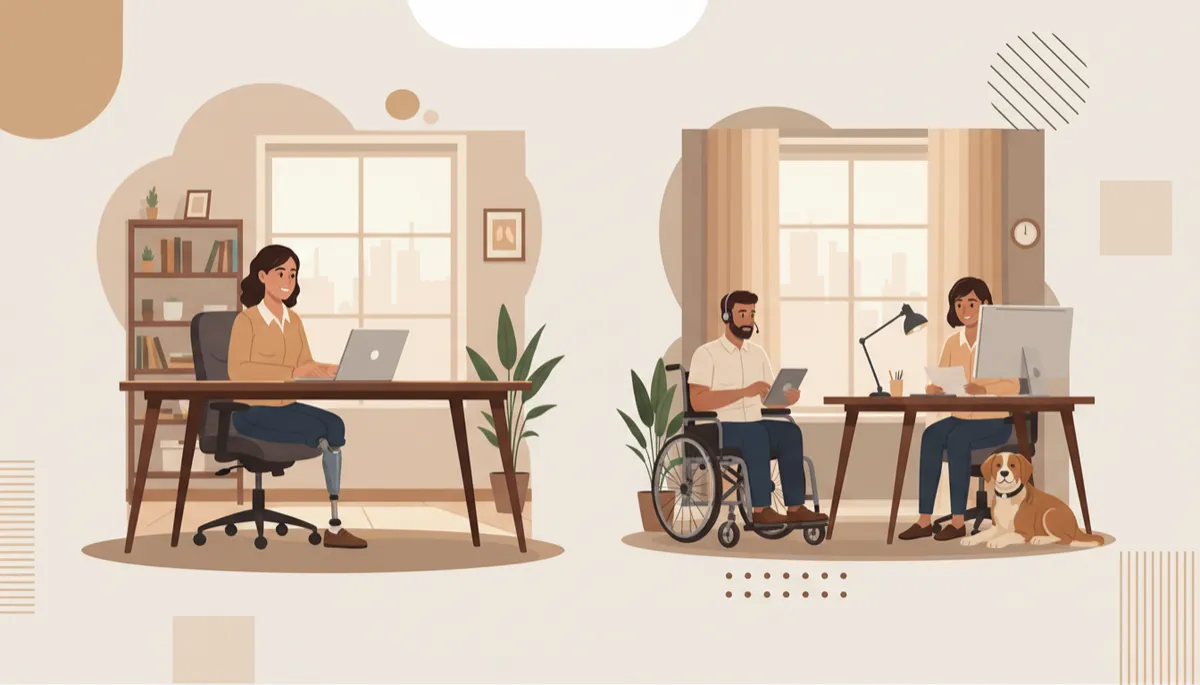
Remote roles let veterans apply mission-focused skills without the strain of daily commuting.
Matching Remote Roles to Your Abilities and Needs
Not every remote job will be the right fit for every veteran. The goal is to find work-from-home opportunities that respect your service-connected disabilities while allowing you to contribute meaningfully and grow professionally. As you explore veterans careers in the remote space, consider the following questions:
Energy and Focus: How many hours can you realistically work each day without worsening your symptoms? Do you focus better in shorter blocks with breaks, or in longer uninterrupted periods?
Communication Style: Are you comfortable on the phone or video calls, or do you prefer written communication like email and chat? This will affect whether customer-facing or back-office roles are a better match.
Environment Needs: Do you need a quiet space, dim lighting, or frequent movement breaks? Make sure the role’s expectations (such as constant phone coverage) align with what your home environment can reasonably support.
Physical Requirements: Can you sit or type for long periods, or do you need voice recognition software, adaptive devices, or a modified schedule? Consider jobs where these accommodations are common and accepted.
📌 Key Takeaway: The best remote career for a disabled veteran is one that aligns with both strengths and limitations. Honest self-assessment is not a weakness; it is a strategic advantage in choosing sustainable work.
Leveraging Veterans Programs and Benefits for Remote Career Growth
Disabled veterans do not have to navigate remote work transitions alone. Several federal and nonprofit programs exist specifically to support veterans careers, including those for individuals with service-connected disabilities. While program availability can change, the following categories of support are particularly relevant to work-from-home job seekers:
Education and Training Benefits
VA education benefits, such as the GI Bill, can fund degree programs, certificates, and online training that prepare you for remote-friendly fields like IT, business, healthcare administration, or digital marketing. Many institutions now offer fully online programs, allowing you to learn and work from home at your own pace. Additionally, vocational rehabilitation and employment services may provide tailored support for disabled veterans seeking new skills aligned with their abilities and career goals.
Vocational Rehabilitation and Employment Support
Vocational rehabilitation programs can help veterans with service-connected disabilities explore career options, obtain training, and secure suitable employment, including remote roles. Counselors can work with you to identify fields that match your interests and limitations, and in some cases, may help with funding for equipment or assistive technology needed to work from home. These services are designed to support long-term, stable employment rather than short-term placements.
Veteran-Friendly Employers and Hiring Initiatives
Many companies actively recruit veterans for remote positions and highlight their commitment to accommodating service-connected disabilities. Look for employers that advertise veteran hiring programs, employee resource groups for veterans, or partnerships with veteran-focused organizations. These employers are often more familiar with translating military experience into civilian job requirements and may be more prepared to offer the flexibility and tools needed for successful work-from-home arrangements.
Presenting Your Military Experience for Remote Roles
When applying for remote work, how you describe your background matters. Many civilian hiring managers do not fully understand military job titles or acronyms, but they do understand results, leadership, and reliability. When crafting your resume or LinkedIn profile, translate your experience into language that aligns with common remote work expectations:
Highlight times you led teams, managed projects, or coordinated operations across distances or time zones.
Emphasize your ability to follow procedures, adapt quickly, and stay calm under pressure—qualities that are invaluable in remote environments.
Mention any experience with technology, digital communication tools, or data analysis, even if it occurred in a military context.
You are not required to disclose your disability status during the application process unless you choose to, but you may wish to highlight strengths gained through managing your service-connected disabilities, such as resilience, problem-solving, and empathy. When you do discuss disability or accommodations, focus on what you need to perform the job effectively and how you have successfully managed similar situations in the past.
Building a Sustainable Work-From-Home Routine
Securing a remote position is only the first step. To turn remote work into a long-term, sustainable career, disabled veterans must also design routines and environments that protect their health and support consistent performance. Consider the following strategies as you transition into a work-from-home role:
Create a Dedicated Workspace: Even a small desk in a quiet corner can help your brain separate “work time” from “home time,” improving focus and reducing stress.
Schedule Breaks Intentionally: Use short, regular breaks to stretch, hydrate, take medication, or practice grounding techniques if you experience anxiety or PTSD symptoms.
Communicate Clearly With Your Team: Remote careers succeed when expectations are clear. Share your working hours, preferred communication channels, and any limitations on meetings in a professional, proactive way.
Use Assistive Technology: Explore tools like speech-to-text software, noise-canceling headphones, screen readers, or ergonomic keyboards. Many of these tools can be covered or subsidized through veterans programs or employer accommodations.
💡 Pro Tip: Treat your work-from-home role with the same professionalism you would bring to an office: consistent start times, clear communication, and a focus on delivering results. This reinforces trust with employers and opens doors to future career opportunities.
Guarding Against Scams and Unstable “Opportunities”
Unfortunately, the popularity of remote work has also led to an increase in scams targeting job seekers, including disabled veterans looking for work-from-home roles. Protecting yourself is a critical part of building a safe and stable career. Be cautious of any “opportunity” that asks you to pay money upfront, purchase expensive equipment from a specific vendor, or deposit checks and send funds elsewhere. Legitimate employers will use official email addresses, provide clear written job descriptions, and conduct structured interviews.
Whenever possible, search for remote positions through reputable job boards, veteran-focused organizations, or direct company websites. If something feels rushed, confusing, or too good to be true, step back and verify before sharing personal information. Your time, skills, and health are valuable; they deserve to be invested in genuine veterans careers, not risky or unstable arrangements.
Looking Ahead: Remote Work as a Long-Term Career Path
Remote work is no longer a temporary trend. Across industries—from technology and finance to healthcare administration and education—organizations are building permanent remote and hybrid teams. For veterans with service-connected disabilities, this shift means that professional, well-paid, and respected work-from-home roles will continue to grow in number and diversity. With the right combination of training, self-knowledge, and support, disabled veterans can build careers that evolve over time, from entry-level positions to leadership roles, all while honoring their health and personal responsibilities.
As you consider your next steps, remember that your service has already proven your ability to learn quickly, adapt under pressure, and contribute to something larger than yourself. Those same qualities are exactly what many employers seek in remote employees. By pairing your military experience with targeted skills and a thoughtful approach to your service-connected disabilities, you can unlock remote work opportunities that are not only accessible, but deeply fulfilling.
Final Thoughts: Your Career, Your Terms
Every veteran’s story is different, and so is every path into civilian employment. For some, remote work will be a bridge between service and further education. For others, it will become a long-term home, offering stability, growth, and the flexibility needed to live well with service-connected disabilities. The most important step is recognizing that you have options—and that you deserve a career built on respect, accessibility, and opportunity.
Remote work, when approached thoughtfully, can transform the way disabled veterans engage with the workforce. It can turn physical limitations into design challenges rather than roadblocks, and it can open doors to veterans careers that were once limited by geography or rigid schedules. As you explore work-from-home possibilities, lean on the strengths you developed in uniform, seek out programs designed to support you, and advocate for the accommodations that help you perform at your best. Your service has earned you more than gratitude; it has earned you the chance to pursue meaningful, sustainable career opportunities on your own terms.
📌 Ready for Your Next Step? If you’re exploring remote work options or navigating service-connected disability benefits, visit PathfinderBenefits.com to connect with resources that can help you move forward with clarity and confidence.