

Preventive Health: Essential for Veterans' Wellness
Health, Veteran Wellness, Preventive Care
Why Preventive Health Matters More Than You Think as a Veteran
Serving in the military changes you in powerful ways—physically, mentally, and emotionally. But once the uniform comes off, many veterans focus on pushing through the day instead of taking care of themselves. Preventive health can feel like just another appointment, another form, another thing on the to-do list. Yet for veterans, staying ahead of health problems isn’t just helpful—it can be life-changing. In this friendly guide, we’ll explore why preventive health matters so much for veterans, how it ties into overall veteran wellness, and practical veteran health tips you can start using right away.
What Preventive Health Really Means for Veterans
Preventive health is all about taking action before a problem becomes serious. Instead of waiting until pain, fatigue, or mood changes force you into the doctor’s office, preventive care focuses on screenings, vaccinations, routine checkups, and healthy habits that keep you ahead of the curve. For veterans, this kind of health awareness is especially important because your body and mind have carried unique loads—from ruck marches and long shifts to deployments and high-stress environments.
In simple terms, preventive health answers questions like:
How can I catch issues early, when they’re easier to treat?
What can I do daily to protect my long-term veteran wellness?
Which checkups and screenings matter most for someone with my service history?
When you look at preventive care this way, it stops feeling like a chore and starts looking more like maintenance for your most important piece of equipment: you.
💡 Friendly Reminder: You wouldn’t ignore the check engine light on a vehicle you depended on every day. Preventive health is your personal version of that warning system—only better, because it can help keep the light from coming on in the first place.
Why Veterans Face Unique Health Challenges
No two veterans have the same story, but many share similar exposures and experiences that can shape their health over time. Understanding these challenges is a big part of building better health awareness and making preventive health a priority instead of an afterthought.
Physical Wear and Tear from Service
Years of training, heavy lifting, long patrols, and repetitive motions can take a toll on joints, muscles, and bones. You might chalk up knee pain, back stiffness, or shoulder issues as “just getting older,” but for many veterans, these are service-related injuries that can worsen if left untreated. Preventive care—like regular physical exams, physical therapy, and early imaging when needed—can slow down or even prevent long-term damage.
Invisible Wounds: Mental and Emotional Health
Many veterans live with the aftereffects of stress, trauma, or high-pressure environments. Conditions like PTSD, anxiety, depression, or moral injury aren’t signs of weakness—they’re human responses to difficult experiences. Preventive health includes mental health, too. Checking in with a counselor, joining a peer support group, or talking honestly with your primary care provider can help catch emotional struggles early, before they start to affect sleep, relationships, or work.
Environmental Exposures and Service-Related Risks
Depending on when and where you served, you may have been exposed to burn pits, chemicals, loud noises, extreme temperatures, or other hazards. These exposures can raise your risk for conditions like respiratory issues, hearing loss, heart disease, or certain cancers. Preventive care for veterans often includes targeted screenings based on these risks—one of the strongest reasons to stay engaged with your health team, whether through the VA or a community provider.
📌 Key Takeaway: Your service history is part of your medical history. Sharing details about deployments, jobs, and exposures helps your provider tailor preventive health strategies specifically for you.
The Power of Early Detection: How Preventive Care Protects You
One of the biggest benefits of preventive health is early detection. Many serious conditions—like heart disease, diabetes, high blood pressure, and some cancers—develop slowly. You might feel fine for years while something harmful is quietly building in the background. Regular checkups and screenings are like routine patrols: they’re meant to find trouble before it finds you.
Blood pressure checks can catch hypertension early, reducing your risk of heart attack and stroke.
Cholesterol and blood sugar tests can flag heart disease or diabetes risks before you have symptoms.
Cancer screenings—like colonoscopies, prostate exams, mammograms, or lung scans—can find early-stage cancers when treatment works best.
Hearing and vision tests can identify changes that affect driving, work, and quality of life.
These are not just boxes to check; they’re tools that give you information and options. When you catch a condition early, you usually have more choices, less invasive treatments, and a better chance of staying active and independent for years to come.
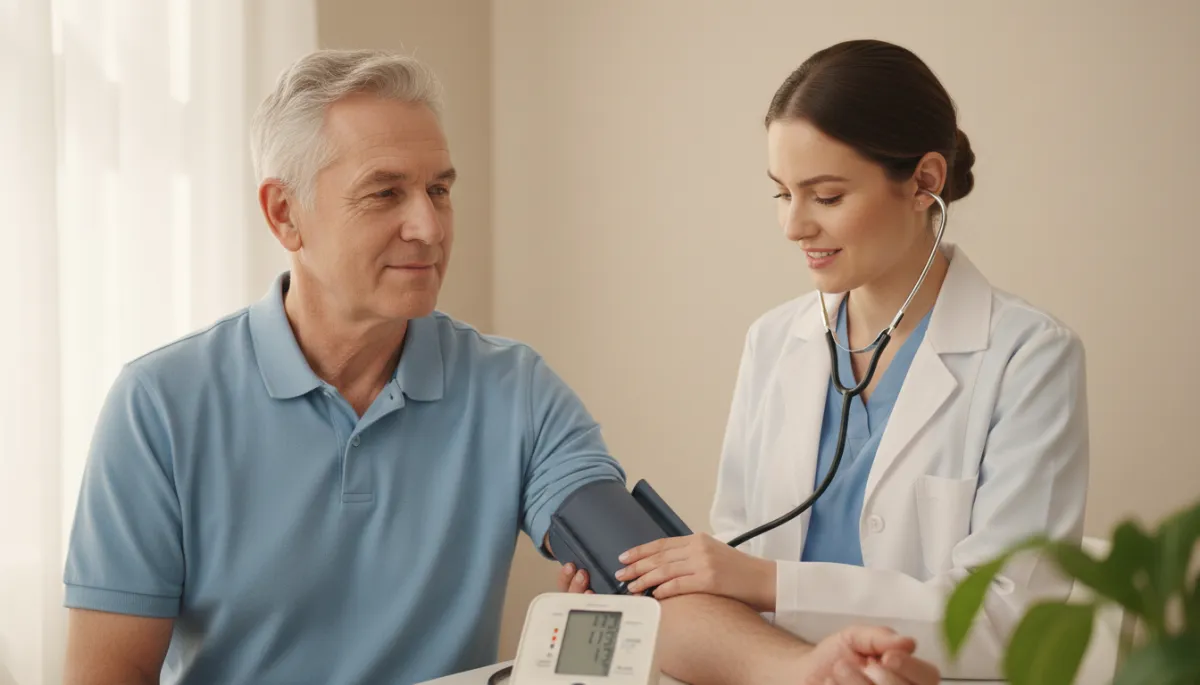
Simple screenings like blood pressure checks can quietly prevent major health emergencies later on.
Building Veteran Wellness: More Than Just Doctor Visits
Preventive health isn’t only about appointments and lab results. True veteran wellness is a bigger picture that includes your body, mind, relationships, and sense of purpose. Think of it as a mission with several key pillars—each one supports the others, and all of them benefit from steady attention rather than crisis-mode scrambling.
Pillar 1: Physical Wellness and Everyday Habits
You don’t have to train like you’re back in boot camp to invest in physical health. Small, consistent habits can have a huge impact. Here are a few veteran health tips to support your body day to day:
Move regularly. Aim for a short walk, light stretching, or gentle strength exercises most days of the week. Even 10–15 minutes at a time adds up.
Protect your joints. If your knees, back, or shoulders took a beating in service, ask about physical therapy or low-impact activities like swimming or cycling.
Fuel your body well. Focus on balanced meals with lean protein, whole grains, and plenty of fruits and vegetables. You don’t need a perfect diet—just steady, reasonable choices.
Stay hydrated. It sounds simple, but drinking enough water supports energy, focus, and joint health.
💡 Pro Tip: If you wear a smartwatch or carry a phone, set gentle reminders to stand, stretch, or walk every hour or two. Treat these reminders like friendly nudges, not orders.
Pillar 2: Mental and Emotional Wellness
Veteran wellness also means taking care of your mind. Stress, sleep problems, intrusive memories, or feeling “on edge” can quietly wear you down over time. Preventive care in this area might look like:
Checking in with a mental health professional before things feel unmanageable.
Practicing simple relaxation techniques, like deep breathing or short guided meditations.
Limiting alcohol or substances that may temporarily numb feelings but worsen mood and sleep in the long run.
It’s common for veterans to feel like they should “handle it” on their own. But asking for support is actually a sign of strength and self-respect. You handled tough missions with a team—your mental health deserves the same teamwork approach.
Pillar 3: Social Connection and Community
Isolation can slowly chip away at wellness. Staying connected—to family, friends, fellow veterans, or community groups—is a powerful form of preventive health. Conversations, shared activities, and simple check-ins can help you notice changes in mood or behavior early, and they remind you that you’re not alone in whatever you’re facing.
Join a local veteran organization, fitness group, or hobby club.
Schedule regular phone calls or coffee meetups with people you trust.
Consider volunteering—serving others can restore a sense of purpose and camaraderie.
Practical Veteran Health Tips to Put Preventive Care into Action
Turning good intentions into action can be the hardest part. To make preventive health feel more manageable, it helps to break things down into simple, realistic steps. Here are veteran health tips you can start using this week, even if your schedule is tight or your energy is low.
1. Schedule a “Welcome Back” Checkup with Your Provider
If it’s been more than a year since your last full physical, consider this your friendly nudge to schedule one. Let your provider know you’re interested in preventive care and veteran-specific screenings. Bring a short list of questions or concerns, even if they feel minor—like snoring, heartburn, or new aches. Small symptoms can be early clues that something needs attention.
2. Create a Simple Health Awareness Checklist
A quick personal checklist can help you stay on top of preventive health without feeling overwhelmed. Once or twice a month, ask yourself:
How’s my sleep—am I waking rested, or always exhausted?
Have I noticed changes in my mood, patience, or interest in things I enjoy?
Am I moving my body regularly and eating in a way that supports my energy?
When was my last checkup, dental visit, or eye exam?
This kind of health awareness doesn’t require medical training—just honest self-observation. If something feels off for more than a few weeks, that’s your cue to reach out for support.
3. Keep Up with Vaccinations and Preventive Shots
Vaccines are a powerful, often underrated part of preventive care. Flu shots, COVID-19 boosters, pneumonia vaccines, shingles vaccines, and others can dramatically lower your risk of serious illness—especially if you have chronic conditions or are getting older. Ask your provider which vaccines are recommended for your age, health status, and service history, and put reminders in your calendar to stay current.
4. Make Sleep a Priority, Not a Luxury
Years of night shifts, watch rotations, or high alert can throw off sleep patterns long after service ends. Yet good sleep is one of the strongest foundations of veteran wellness. It supports mood, memory, immune function, and even heart health. To improve sleep as part of your preventive health routine, you might:
Keep a consistent bedtime and wake-up time, even on weekends.
Limit screens, heavy meals, and caffeine in the hours before bed.
Talk with your provider about snoring, gasping, or nightmares—these can be signs of treatable conditions like sleep apnea or PTSD-related sleep disturbances.
5. Use Technology as a Gentle Partner in Health
You don’t have to be a tech expert to benefit from simple tools that support preventive care. Many clinics and VA systems offer patient portals where you can:
View test results and visit summaries in plain language.
Send questions to your care team without waiting on hold by phone.
Request prescription refills before you run out.
Fitness trackers, step counters, or simple reminder apps can also help you stay consistent with movement, hydration, and medication schedules. Think of technology as a helpful teammate, not a replacement for real conversations with your providers.
Overcoming Common Barriers to Preventive Health as a Veteran
Knowing what to do is one thing; actually doing it is another. Many veterans face real obstacles to preventive care—some practical, some emotional. The good news is that with a little planning and support, these barriers can be reduced or even removed.
“I Don’t Have Time”
Work, family responsibilities, and everyday life can make it feel impossible to squeeze in appointments. One way to reframe this is to think of preventive health as an investment of time that saves you much more time later. A one-hour checkup today might prevent multiple emergency visits, hospital stays, or weeks of recovery down the road. If scheduling is tough, ask about:
Early morning, evening, or weekend appointments.
Telehealth visits for issues that don’t require an in-person exam.
“I Don’t Want to Hear Bad News”
It’s completely human to worry about what a test might show. But avoiding preventive health doesn’t erase risk—it just delays information that could help you. Many veterans find it helpful to bring a trusted friend or family member to appointments for support. You can also tell your provider if you feel anxious about results; a good care team will explain things clearly and focus on what can be done, not just what’s wrong.
“I’m Not Sure I Deserve the Help”
Some veterans quietly carry guilt, comparison, or self-doubt—especially if they know others who were injured or didn’t make it home. You might think, “Others had it worse. I should be fine.” But preventive care is not a limited resource that you’re taking from someone else. Your health matters. You deserve support, respect, and care, no matter what your service looked like. Taking care of yourself is also a way of honoring those who served alongside you.
📌 Gentle Truth: You showed up for your country. It’s okay—more than okay—to show up for yourself now. Preventive health is one way of doing exactly that.
Partnering with Your Care Team: You’re Not in This Alone
One of the strongest veteran health tips is simple: treat your healthcare providers as partners, not just people who step in when something goes wrong. Share your goals—whether that’s playing with grandkids without pain, staying fit enough for hobbies, managing stress better, or preventing a condition that runs in your family. When your care team knows what matters to you, they can shape preventive care around your real life, not just generic guidelines.
Bring a written list of medications, supplements, and questions to each visit.
Be honest about habits like smoking, drinking, or sleep patterns—providers aren’t there to judge; they’re there to help.
If something your provider says doesn’t make sense, ask them to explain it in simpler terms. You deserve to understand your own health.
Bringing It All Together: Your Health Is a Lifelong Mission
Preventive health for veterans isn’t about fear; it’s about freedom. Freedom to move without constant pain, to think clearly, to enjoy relationships, to follow interests and hobbies, and to shape the next chapters of your life with energy and confidence. Veteran wellness is not a destination you reach once and forget about—it’s an ongoing mission, one you’re absolutely capable of leading.
By staying engaged with preventive care, building honest health awareness, and using practical veteran health tips in your daily routine, you give yourself the best chance to catch problems early, reduce avoidable suffering, and stay present for the people and activities that matter most to you. Your service story doesn’t end with discharge or retirement; it continues in the way you care for yourself and those around you.
If you’re not sure where to start, pick one small step today: make a phone call, schedule a checkup, take a short walk, or talk with someone you trust about how you’ve really been feeling. Those small, friendly choices are the heart of preventive health—and they matter more than you might think.