
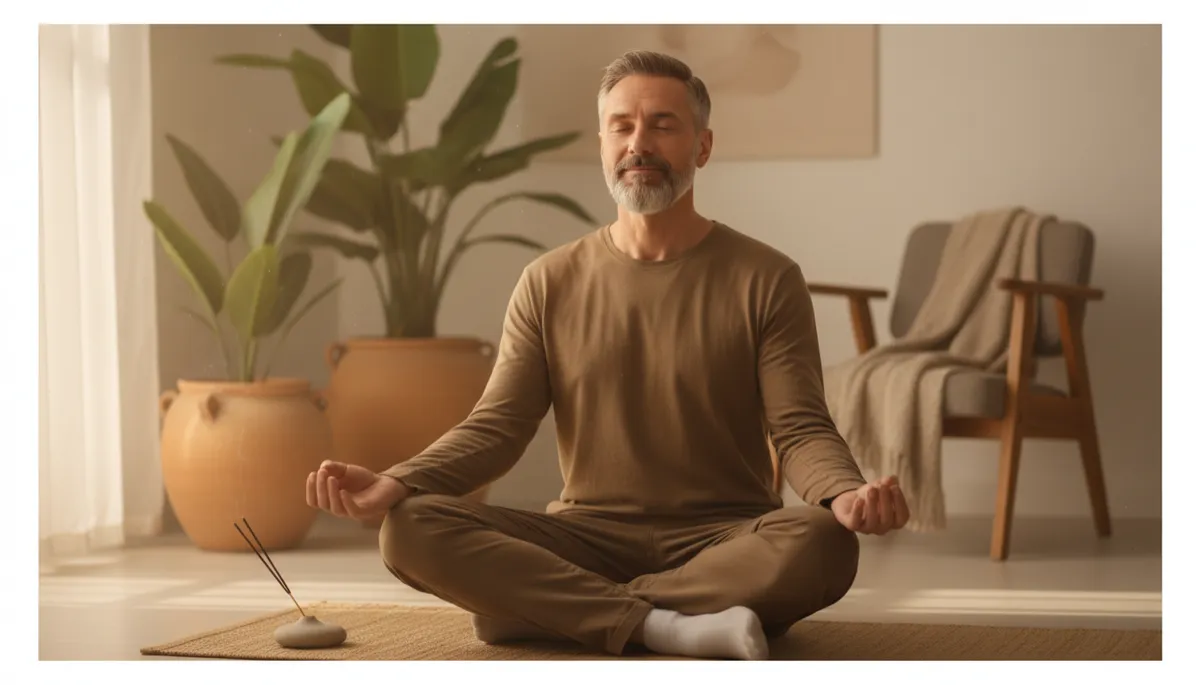
Mindfulness Guide for Veterans: Stress Relief Tips
Mindfulness, Wellness Guide, Veterans, Mental Health, Stress Relief
Mindfulness for Beginners: A Simple Wellness Guide for Veterans
Transitioning from military life to civilian life can feel like stepping into a different world. This friendly wellness guide introduces beginner mindfulness practices designed specifically to support veterans with mental health, stress relief, and everyday resilience—one small, manageable step at a time.
Why Mindfulness Matters for Veterans
Mindfulness is simply the practice of paying attention, on purpose, to the present moment without judging it. For many veterans, life after service can bring a mix of memories, responsibilities, and new challenges. It is common to feel pulled between the past and the future—between what happened, what could have happened, and what might happen next. Mindfulness offers a way to gently return to right now, even when the mind is racing or the body feels on edge.
As a beginner mindfulness practice, you do not need special equipment, a perfect space, or long sessions. You only need a few minutes and a willingness to try. This wellness guide is not about “fixing” you—because you are not broken. It is about giving your nervous system a break, supporting your mental health, and offering practical stress relief tools you can use at home, at work, or anywhere in between.
💡 Gentle Reminder: If you have served, you have already practiced focus, awareness, and discipline. Mindfulness is simply a new way to use those same strengths for your own well-being.
Understanding Mindfulness: Simple, Not Weak
Some veterans hesitate to try mindfulness because it can sound vague or “soft.” In reality, mindfulness is a practical mental fitness tool. It trains your attention the way physical training strengthens your body. Instead of lifting weights, you are learning how to notice thoughts, emotions, and body sensations without being controlled by them. That is a powerful skill, especially when you are dealing with stress, anxiety, or painful memories related to your service.
Research has shown that regular mindfulness practice can support mental health by reducing symptoms of anxiety, depression, and post-traumatic stress. It can also help regulate sleep, lower blood pressure, and improve concentration. For many veterans, beginner mindfulness exercises become a quiet anchor in the middle of loud days and restless nights. You do not have to meditate for hours to feel benefits; even a few minutes of focused breathing can help your body shift from “fight or flight” to “rest and repair.”
📌 Key Takeaway: Mindfulness is not about clearing your mind or forcing yourself to relax. It is about noticing what is happening, kindly, and giving yourself permission to slow down.
A Wellness Guide to Beginner Mindfulness: Start Small, Start Here
Step 1: Find a Safe and Comfortable Spot
You do not need a silent room or fancy cushion. A kitchen chair, a parked car, or a quiet corner of your bedroom can work just fine. What matters most is that you feel reasonably safe and supported. If closing your eyes feels uncomfortable, keep them open and simply soften your gaze toward the floor or a neutral object in front of you. Mindfulness should never feel like you are trapped; you are always in control and can stop at any time.
Step 2: Begin with the Breath (Even for Just One Minute)
One of the easiest beginner mindfulness practices is a simple breathing exercise. Your breath is always with you, and it gives your body a natural way to signal safety and calm. Try this short practice:
Sit up comfortably, with your feet on the floor and your hands resting on your legs or folded together. Let your shoulders drop away from your ears if that feels okay.
Slowly breathe in through your nose for a count of four, feeling your chest or belly gently rise. If counting feels stressful, just breathe in slowly at your own pace.
Pause for a brief moment, then exhale slowly through your mouth for a count of six. Imagine you are gently blowing out through a straw.
Repeat this for one to three minutes. If your mind wanders (and it will), simply notice that and bring your attention back to the next breath without judging yourself.
💡 Pro Tip for Stress Relief: Try this breathing exercise before bed, after a difficult conversation, or when you feel your heart racing. It is a portable mindfulness tool you can use anywhere.
Step 3: Use Your Senses to Ground in the Present
Another beginner mindfulness technique is called “grounding.” It is especially helpful if you feel overwhelmed by memories, strong emotions, or racing thoughts. Grounding brings your attention back to the present through your senses—what you can see, hear, feel, and smell right now. Here is a simple grounding exercise often used for stress relief and emotional regulation:
5 things you can see: Notice colors, shapes, and textures around you—like a lamp, a picture frame, or the pattern on your socks.
4 things you can feel: The chair under you, your feet on the floor, the fabric of your clothes, or the temperature of the air on your skin.
3 things you can hear: A fan, traffic outside, birds, or even your own breathing.
2 things you can smell: Coffee, soap, laundry detergent, or the scent of the room.
1 thing you can taste: The lingering taste of a drink, gum, or simply the neutral taste in your mouth.
This quick mindfulness practice can help calm the nervous system and bring you back from upsetting flashbacks or spiraling worries. You are not trying to erase what you feel; you are giving your mind another place to rest for a moment. Over time, many veterans find that grounding exercises become a reliable part of their personal wellness guide for mental health support.
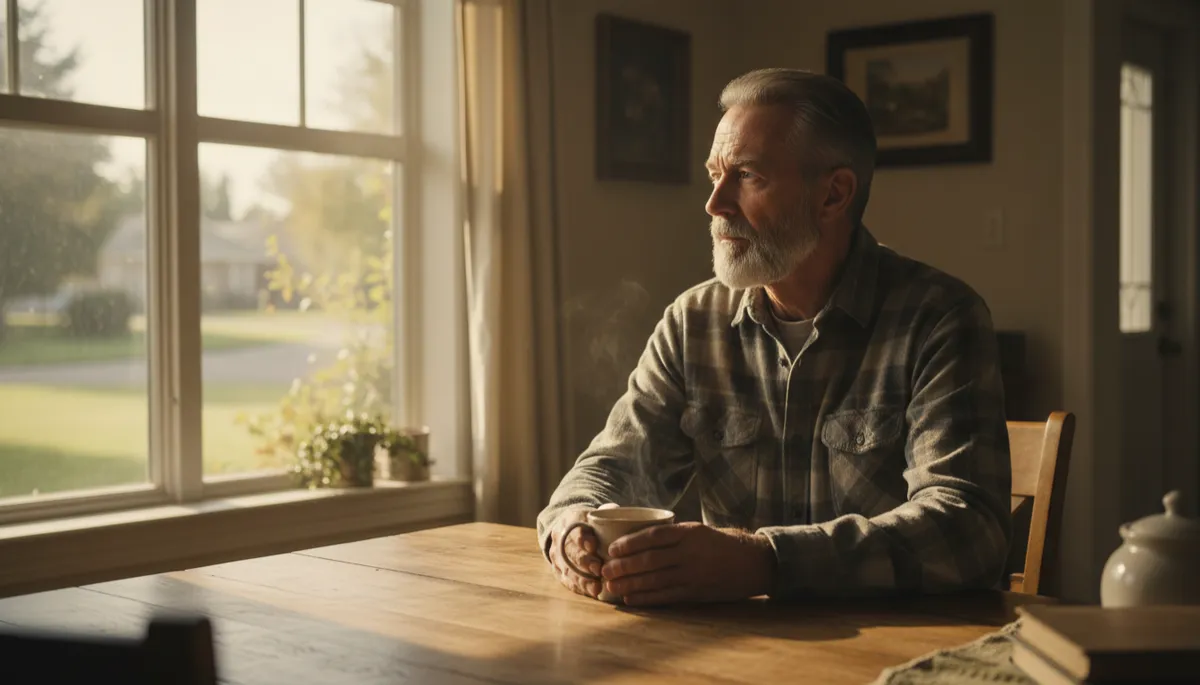
Simple daily moments, like morning coffee, can become powerful mindfulness practices.
Mindfulness and Mental Health: Supporting Healing, Not Replacing Care
Mindfulness can be a valuable part of a veteran’s mental health toolkit, but it is not a replacement for professional care, therapy, or medication when those are needed. Instead, think of it as another layer of support—a way to work with your mind and body between appointments or during everyday stress. For veterans living with post-traumatic stress, depression, or anxiety, mindfulness can help create tiny moments of choice: the choice to pause, to breathe, and to respond rather than react automatically.
Many mental health professionals who work with veterans now include beginner mindfulness exercises in their sessions. Practices like body scans, mindful walking, or short breathing meditations are often used to teach emotional regulation and stress relief. If you are already seeing a counselor or therapist, you might consider asking whether mindfulness could complement your current treatment plan. Working with a trusted provider can also help you adjust practices if certain exercises feel triggering or uncomfortable due to your experiences in service.
⚠️ Important Note: If mindfulness practices ever increase your distress, bring up intense flashbacks, or make you feel unsafe, pause immediately and reach out to a mental health professional or a trusted support person. Your well-being comes first.
Everyday Mindfulness: Simple Practices You Can Weave into Your Routine
Mindful Morning Check-In
Before reaching for your phone or jumping into the day, take one minute to check in with yourself. Sit on the edge of your bed or stand by the window. Notice how your body feels—heavy, restless, or somewhere in between. Take three slow breaths. Ask yourself, “What do I need today?” It might be patience, support, movement, or rest. This tiny act of mindful awareness can shape how you approach the rest of your day and supports overall wellness and stress relief.
Mindful Walking for Stress Relief
If sitting still feels uncomfortable, mindfulness can happen in motion. Try a short, mindful walk, even if it is just around your block or through a hallway. As you walk, pay attention to the feeling of your feet making contact with the ground. Notice the rhythm of your steps, the swing of your arms, and the sounds around you. When your mind drifts to worries or memories, gently bring your focus back to the next step. You are not trying to walk in a special way; you are simply walking with awareness.
Start with 5 minutes and build up as it feels comfortable.
Choose a route where you feel safe and at ease, whether indoors or outside.
Use landmarks—a tree, a doorway, a mailbox—as gentle reminders to come back to the present moment.
Mindful Eating: Turning Meals into a Wellness Practice
Many veterans are used to eating quickly or on the go. Mindful eating is a beginner mindfulness practice that invites you to slow down and actually experience your food. The goal is not a perfect diet; it is a kinder relationship with your body and nourishment. At your next meal or snack, try this:
Before taking a bite, pause and notice the colors, shapes, and smells of your food.
Take one bite and chew slowly, paying attention to the texture and taste. Notice how your jaw moves and how your body responds.
Put your utensil down between a few bites to give yourself a moment to breathe and check in with your hunger and fullness levels.
Mindful eating can support digestion, reduce overeating, and transform meals into small wellness moments. Over time, it can help you listen more closely to your body’s signals, which is an important part of long-term mental health and physical well-being.
Overcoming Common Barriers to Mindfulness for Veterans
“I Can’t Sit Still” or “My Mind Won’t Stop”
Many beginners believe they are “bad” at mindfulness because their minds are busy. The truth is, everyone’s mind is busy, especially people who have lived through stressful or dangerous situations. The goal is not to stop your thoughts; it is to notice them without getting swept away. If sitting practices feel too intense, start with mindful walking, grounding exercises, or short breathing breaks throughout the day. You can build up slowly as your nervous system learns that these pauses are safe.
“This Feels Too Touchy-Feely”
It is okay if mindfulness feels unfamiliar or even uncomfortable at first. You may have been trained to push through pain, ignore emotions, or always stay on alert. Mindfulness asks you to do something different: to pause, listen, and treat yourself with the same respect you would give a fellow service member. Think of it as mental conditioning—not a spiritual or emotional performance. You are building skills in attention, awareness, and self-regulation that can support both mental health and physical resilience.
“I Don’t Have Time”
Life after service can be packed with work, family, medical appointments, and responsibilities. The good news is that beginner mindfulness does not require long sessions to be effective. You can weave it into what you are already doing:
Take three mindful breaths before starting your car or stepping into a meeting.
Practice the 5-4-3-2-1 grounding exercise while waiting in line or sitting in a waiting room.
Spend one minute noticing your breath before bed instead of scrolling on your phone.
Even these tiny pockets of mindfulness can add up to meaningful stress relief and improved emotional balance over time. You are not failing if you only manage a minute or two—that is still progress.
Building a Personal Mindfulness Plan: A Veteran-Friendly Wellness Guide
Just as every service member’s experience is unique, your mindfulness journey will be your own. A simple personal plan can help you stay consistent without feeling pressured. Think of it as a flexible wellness guide you can adjust as you learn what works best for you.
Choose your primary practice. Start with one or two beginner mindfulness exercises you like—such as breathing, grounding, or mindful walking. Too many options at once can feel overwhelming.
Pick a realistic schedule. Aim for something you can actually maintain, like 3–5 minutes once or twice a day. Consistency matters more than long sessions.
Connect it to daily habits. Link your practice to things you already do: after brushing your teeth, during your morning coffee, or before turning off the light at night.
Track how you feel. Once a week, gently check in with yourself. Are you sleeping any better? Feeling slightly less on edge? Even small shifts are worth noticing.
Ask for support. Share your mindfulness goals with a trusted friend, family member, peer support group, or therapist. Sometimes just knowing someone else is cheering you on makes it easier to keep going.
💡 Pro Tip: If you miss a day—or a week—simply begin again. There is no failure in mindfulness, only another chance to notice and return to the present moment.
Helpful Resources and Next Steps for Veterans
If you are curious about going deeper, there are many veteran-friendly resources that blend mindfulness, mental health support, and practical stress relief. While availability may vary by location, you might explore:
VA programs and clinics that integrate mindfulness, yoga, or relaxation training into treatment plans for post-traumatic stress and chronic pain.
Veteran peer support groups where members share coping tools, including beginner mindfulness practices that worked for them.
Guided meditation apps that offer short, simple sessions focused on stress relief, sleep, and emotional balance. Some apps even provide free or discounted access for veterans.
Community centers or nonprofits that host mindfulness, tai chi, or gentle yoga classes designed with trauma awareness in mind.
When exploring any new resource, trust your instincts. You deserve spaces where you feel respected, safe, and understood. If a certain teacher, group, or style does not feel like a good fit, it is perfectly okay to try something else. This wellness guide is about supporting your mental health and stress relief, not forcing you into a one-size-fits-all approach.
A Friendly Final Word: You Deserve Your Own Care
As a veteran, you have spent time serving others—your country, your unit, your community. It is common to put your own needs last or to feel like you should “tough it out” when stress or mental health challenges show up. Mindfulness offers a different message: you are worthy of care, right now, exactly as you are. Taking a few minutes to breathe, ground yourself, or walk mindfully is not selfish; it is a way to protect your long-term well-being and stay present for the people and activities you care about most.
This beginner mindfulness wellness guide is only a starting point. You do not have to master every technique or feel calm all the time for it to “count.” Each time you pause to notice your breath, feel your feet on the floor, or pay attention to a simple daily moment, you are practicing. Over days and weeks, those small acts of awareness can gently reshape how you move through the world—offering more space, more choice, and more compassion for yourself.
If you take nothing else from this guide, let it be this: you are not alone, and it is okay to start small. One mindful breath, one grounded step, one quiet moment with your coffee can be the beginning of a meaningful shift in your mental health and everyday stress relief. Your service matters, and so does your peace of mind. You deserve both.