
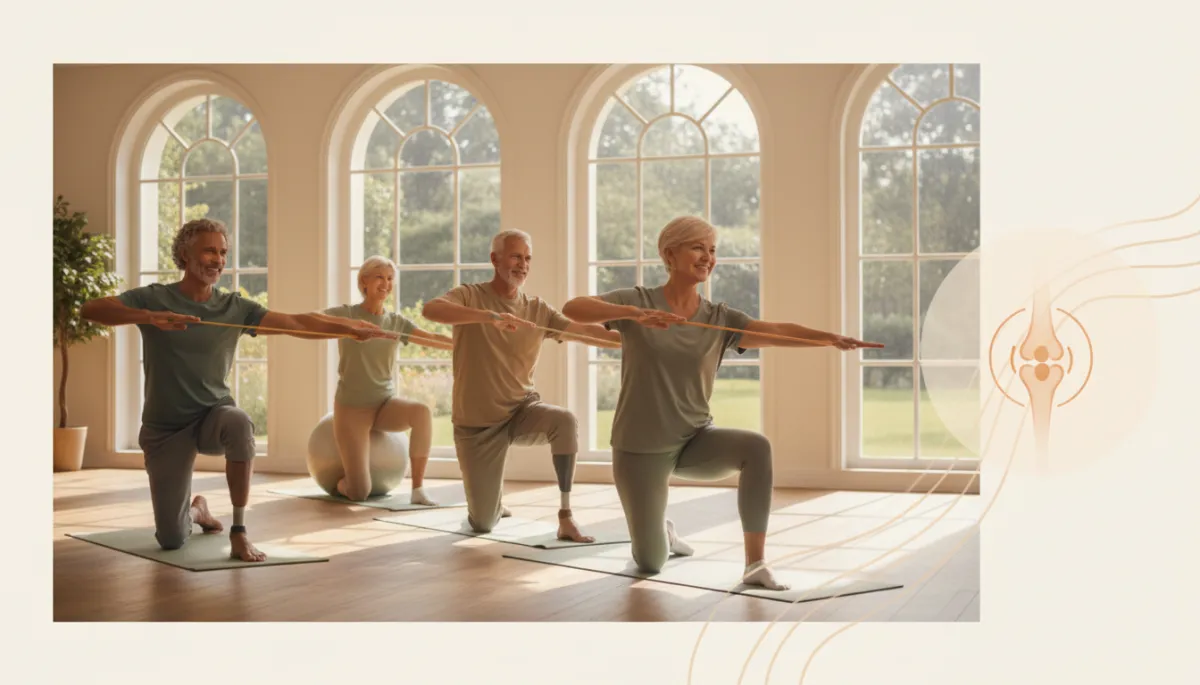
Low-Impact Fitness for Veterans with Joint Pain
Veterans Health, Low-impact Fitness, Joint Pain Relief
Low-Impact Fitness for Veterans With Joint Pain: Move Better, Hurt Less
Living with joint pain after service can make traditional workouts feel impossible. But you still deserve to feel strong, mobile, and confident in your body. This guide walks you through friendly, practical low-impact fitness options designed especially with veterans and their unique health needs in mind.
Why Low-Impact Fitness Matters for Veterans Health
Many veterans carry the physical reminders of service long after they hang up the uniform. Years of ruck marches, heavy gear, repetitive movements, and high-stress situations can leave knees, hips, shoulders, and backs feeling worn down. When every step or lift sends a jolt through your joints, it is easy to assume that “real” exercise is no longer an option.
That is where low-impact fitness comes in. Instead of pounding your joints with running, jumping, or heavy lifting, low-impact workouts focus on movements that are gentle on your body while still building strength, endurance, and mobility. For veterans health in particular, this approach can support:
Joint pain relief through controlled, smoother movements that reduce impact and strain
Better cardiovascular health without the need for high-intensity running or sprinting
Improved balance and stability, which can help prevent falls and further injuries
Support for mental health, including stress reduction, better sleep, and improved mood
💡 Friendly Reminder: You do not need to “go hard” for your workout to count. If it helps you move more comfortably and consistently, it is valuable.
Understanding Joint Pain: You Are Not Imagining It
Joint pain can come from many sources: old injuries, arthritis, overuse, or simply years of high-demand physical work. For veterans, it might be connected to airborne jumps, carrying heavy packs, repetitive kneeling, or vehicle vibrations. Whatever the cause, the pain is real, and it can be exhausting to deal with every day.
Common problem areas include the knees, hips, lower back, shoulders, and ankles. When these joints hurt, your body naturally tries to compensate, which can create new aches elsewhere. That is why a thoughtful, low-impact fitness plan can be so helpful: it supports the whole body instead of forcing painful joints to do all the work.
⚠️ Important: If you experience sharp, sudden pain, swelling, or a feeling that a joint is “giving out,” it is wise to check in with a healthcare provider or VA clinician before pushing through.
What Makes an Exercise “Low-Impact” and Joint-Friendly?
When we talk about low-impact fitness, we are talking about movements where at least one foot (or hand, in the case of upper-body work) stays in contact with the ground or support surface at all times. That means less pounding and fewer jarring forces going through your joints with each step or repetition. Think of it as working with your body instead of fighting against it.
Slow, controlled movements instead of fast, jerky motions
Supportive surfaces like water, stationary bikes, or cushioned floors instead of concrete or uneven terrain
Gentle exercise that can be scaled up or down based on your pain level and mobility
The goal is not to avoid effort altogether. Instead, it is to find that sweet spot where you are challenging your muscles and heart without aggravating your knees, hips, or back. Over time, that balance can actually lead to noticeable joint pain relief, because stronger muscles help support and stabilize your joints.
Gentle Exercise Options That Respect Your Joints
You do not have to love the gym to benefit from gentle exercise. Think of these options as tools in your toolkit. You can mix and match based on how your body feels on a given day, your available time, and what you actually enjoy.
1. Walking (With Smart Adjustments)
Walking is one of the simplest forms of low-impact fitness, but small tweaks can make a big difference if you have joint pain. Choose:
Softer surfaces like tracks, grass, or indoor tracks instead of hard concrete sidewalks
Supportive footwear with cushioning and arch support, especially if you have flat feet or old foot injuries
Shorter, more frequent walks (like 10 minutes, 2–3 times per day) instead of one long session that leaves you limping
If balance is a concern, walking with trekking poles or using a treadmill with handrails can offer extra confidence and safety.
2. Water-Based Workouts (Your Joints’ Best Friend)
Water provides natural support and resistance, making it ideal for veterans with knee, hip, or back pain. In the pool, your body weight is reduced, which means your joints are not taking the full load with every step or movement. This can be incredibly freeing if land-based exercise has felt punishing in the past.
Water walking or jogging in the shallow end for low-impact cardio
Aqua aerobics classes tailored for older adults or people with arthritis (many YMCAs and VA facilities offer these)
Gentle swimming using strokes that feel comfortable, such as backstroke or modified breaststroke
3. Stationary Cycling and Recumbent Bikes
Cycling is another excellent low-impact fitness option. A stationary bike or recumbent bike (where you sit in a reclined position with back support) allows you to work your heart and leg muscles without the pounding of running. You can control resistance, speed, and duration, making it highly adaptable to your pain level and fitness.
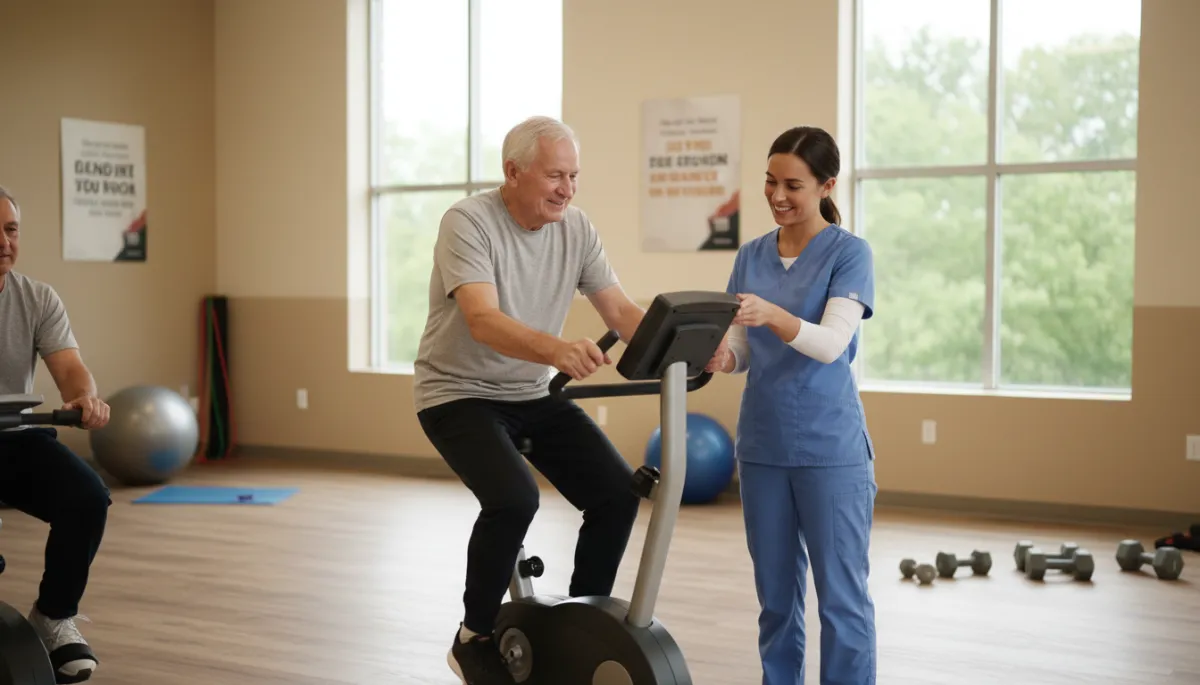
Recumbent bikes offer joint-friendly cardio with back support and adjustable resistance.
4. Chair-Based and Supported Strength Training
Strength training is one of the most powerful tools for long-term joint pain relief, because stronger muscles help stabilize and protect your joints. If standing exercises are tough, you can still build strength with chair-based or supported movements.
Seated leg extensions (straightening one leg at a time) to strengthen the quads and support the knees
Seated bicep curls and shoulder presses with light dumbbells or resistance bands to build upper-body strength
Wall-assisted squats or sit-to-stands from a chair for lower-body strength, if tolerated
These gentle exercises can be part of an adaptive workout plan that meets you where you are, rather than expecting you to perform like you did at 20 years old in basic training.
5. Yoga, Tai Chi, and Mindful Movement
Slower, mindful practices such as yoga and Tai Chi can be especially helpful for veterans health. They combine gentle stretching, balance work, and controlled breathing, which can ease stiffness and calm the nervous system. Many communities now offer veteran-specific or trauma-informed classes that understand the unique physical and emotional experiences of service members.
💡 Friendly Tip: If you are unsure about a class, call ahead and ask whether they have experience working with joint pain or mobility limitations. A good instructor will gladly help you adapt poses.
Adaptive Workouts: Tailoring Fitness to Your Body and Your Story
One of the most empowering ideas in modern fitness is that workouts can be adaptive. You do not have to fit into a one-size-fits-all program. Instead, adaptive workouts are designed to honor your current abilities, limitations, and goals. This is especially important for veterans with service-related injuries, chronic pain, or mobility challenges.
Adapting for Limited Mobility or Assistive Devices
Whether you use a cane, brace, or wheelchair, there are still many ways to build strength and endurance safely. Adaptive workouts might include:
Upper-body ergometers (arm bikes) for cardiovascular conditioning when standing is difficult or unsafe
Resistance band circuits done from a seated or supported position to work major muscle groups without standing
Core stability exercises performed on a mat, bed, or therapy table to support the spine and reduce back pain
Adapting for Flare-Ups and “Good Days” vs. “Bad Days”
Joint pain often comes in waves. Some days you may feel almost normal; other days, even getting out of bed feels like a mission. Adaptive workouts respect this reality by allowing you to adjust:
Intensity – on better days, you might go a little longer or add gentle resistance; on tougher days, you keep things shorter and lighter
Exercise choice – swapping standing moves for seated versions when your knees or hips are flaring up
Duration – reminding yourself that even 5–10 minutes of gentle exercise still counts, especially on difficult days
💬 Encouraging Thought: You are not “failing” if you adjust your workout. You are listening to your body, which is a sign of wisdom, not weakness.
Building a Low-Impact Fitness Routine You Can Stick With
Creating a sustainable routine is more important than chasing a perfect plan. Here is a friendly, realistic way to build a week of low-impact fitness focused on joint pain relief and overall veterans health.
Step 1: Start With a Small, Clear Goal
Instead of promising yourself you will work out every day for an hour, choose a goal that feels almost too easy. For example:
“I will walk for 10 minutes, three days this week.”
“I will do a 15-minute chair-based strength session twice this week.”
Once that feels manageable, you can gradually add time, days, or variety. Progress does not need to be dramatic to be meaningful.
Step 2: Mix Cardio, Strength, and Mobility
A balanced low-impact fitness plan usually includes three key elements:
Cardio – like walking, water exercise, or cycling, to support heart health and endurance
Strength training – using body weight, bands, or light weights to support and protect your joints
Mobility and flexibility – gentle stretching, yoga, or range-of-motion drills to keep joints moving freely
You might aim for cardio 3–5 days per week, strength 2–3 days, and a few minutes of stretching most days. But remember, any amount is better than none, and your routine should fit your life and your pain levels.
Step 3: Use Pain as a Guide, Not a Boss
Some discomfort is normal when you start moving again, especially if you have been less active for a while. The key is to distinguish between normal exercise effort and pain that signals harm. A simple rule of thumb many physical therapists use is the “2-hour rule”:
Mild soreness that eases within a couple of hours after your workout is usually okay.
If your joint pain spikes significantly and stays worse for more than two hours, that session may have been too intense, and you can scale back next time.
📌 Key Takeaway: You are in charge of your pace. Low-impact fitness should leave you feeling like you did something good for your body, not like you survived another battle.
Support Systems: You Do Not Have to Do This Alone
One of the biggest strengths many veterans bring from service is the value of teamwork. You do not need to tackle your fitness journey solo. In fact, having support can make it easier to stay consistent and adapt when joint pain flares up.
Working With Professionals Who Understand Veterans Health
Consider connecting with:
VA physical therapists who specialize in service-related injuries and can design personalized low-impact fitness plans
Certified trainers with experience in adaptive workouts, older adults, or chronic pain conditions
Group classes at community centers, YMCAs, or veteran organizations that focus on gentle exercise and joint pain relief
Tapping Into the Power of Peer Support
Sometimes, the most encouraging voice is another veteran who “gets it.” Many communities and online groups offer spaces where veterans share their experiences with joint pain, adaptive workouts, and staying active after service. Hearing how others have found relief through low-impact fitness can spark ideas and keep you motivated on days when your body feels heavy or your mood is low.
💡 Pro Tip: If you feel comfortable, invite a buddy, partner, or family member to join your gentle exercise sessions. Shared routines can strengthen relationships as well as muscles.
Mindset Shifts: Redefining What “Fit” Looks Like After Service
If you spent years being measured by how fast you could run, how much you could carry, or how many push-ups you could do, it is completely normal to feel frustrated when joint pain changes what your body can handle. But fitness in this season of life is not about your performance on a PT test; it is about your quality of life.
Low-impact fitness for veterans with joint pain is about being able to:
Get down on the floor to play with your kids or grandkids and get back up without fear
Walk through the grocery store or around the block without needing to stop every few minutes from pain
Sleep more comfortably because your joints are less stiff and your muscles are stronger
These wins might not show up on a scoreboard, but they matter deeply in everyday life. Every gentle exercise session is a small act of respect for your body and everything it has carried you through.
Putting It All Together: Your Next Steps Toward Joint-Friendly Fitness
You do not need to overhaul your entire life overnight to benefit from low-impact fitness. Here is a simple way to get started this week:
Pick one gentle exercise that feels doable – maybe a 10-minute walk, a short pool session, or a chair-based routine.
Schedule it like an appointment with yourself. Put it on your calendar and protect that time.
Check in with your body before, during, and after. Adjust as needed. Remember the 2-hour rule for pain.
Celebrate the effort, not just the outcome. You showed up. That matters.
Over time, you can build on that foundation with more variety, longer sessions, or additional adaptive workouts. But even if you never move past the basics, you are still doing something powerful for your joints, your heart, and your overall veterans health.
❤️ Final Encouragement: Your body may not move exactly like it used to, and that is okay. It has carried you through a lot. Low-impact fitness is not about erasing the past; it is about honoring it while giving yourself the best possible future.
If joint pain has made you feel stuck, remember: there is a wide world of gentle exercise and adaptive workouts designed to help you move with more comfort and confidence. You deserve that relief. One small, low-impact step at a time can lead to meaningful, lasting change.