
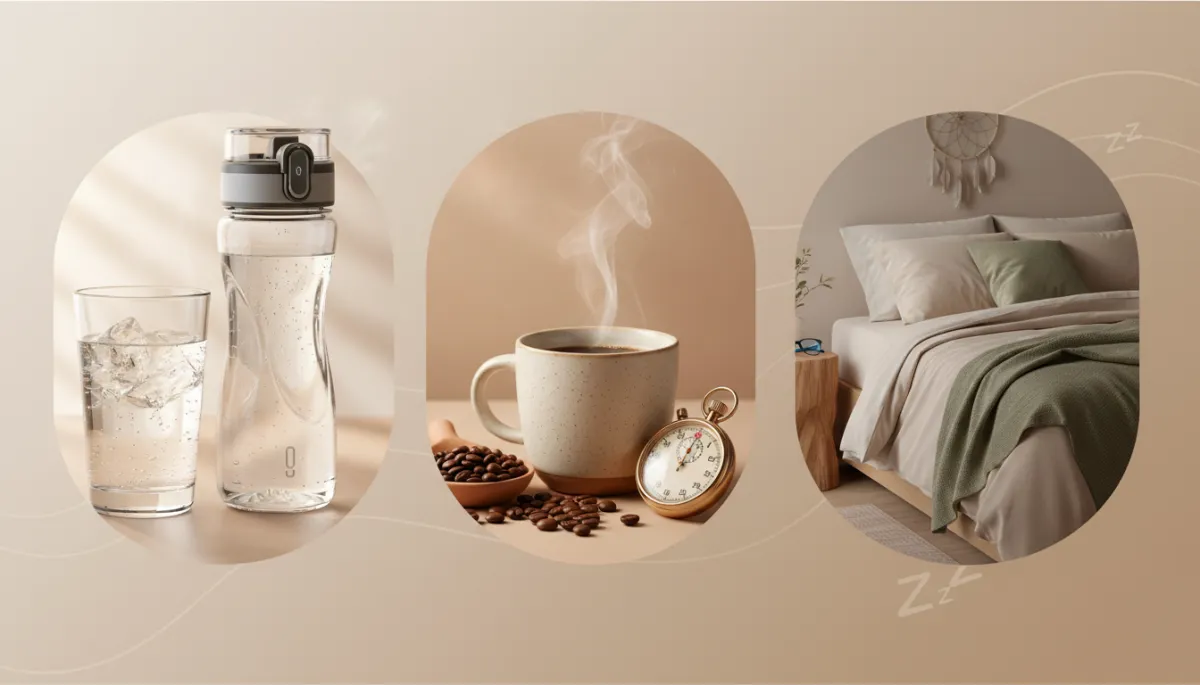
Hydration, Caffeine & Sleep: Veteran Health Guide
Veteran Health, Hydration, Caffeine, Sleep Quality
Hydration, Caffeine, and Sleep: What Veterans Should Know
Your time in uniform may be behind you, but the habits you built around hydration, caffeine, and sleep often follow you long after service. For many veterans, energy drinks, strong coffee, and short nights were once part of the job. Now, those same routines can quietly chip away at your health, mood, and recovery. This friendly guide breaks down how hydration, caffeine effects, and sleep quality work together, and offers practical, realistic tips to support veteran health every day.
Why Hydration, Caffeine, and Sleep Matter So Much for Veterans
Military life often means long shifts, unpredictable schedules, and a lot of “push through it” mentality. That can leave veterans with lingering patterns: grabbing caffeine instead of water, sleeping in short bursts, skipping meals, or staying up late because true rest feels unfamiliar. Over time, these patterns can affect everything from blood pressure and joint pain to mood, focus, and relationships.
The good news is that small, steady changes in hydration, caffeine intake, and sleep can make a real difference. You don’t have to overhaul your life overnight. Think of this as a field guide for your body now: a practical look at how sleep and hydration, caffeine effects, and basic nutrition for veterans can support your long-term well-being, one day at a time.
Hydration 101: What Your Body Really Needs Now
Hydration is more than just “drink eight glasses of water.” For veterans, especially those managing chronic pain, PTSD, or medications, staying properly hydrated can help with energy, digestion, joint comfort, and even mood. Dehydration, on the other hand, can make you feel tired, irritable, and foggy—symptoms that are easy to blame on stress or age instead of fluids.
Signs You Might Be Dehydrated
Dark yellow or strong-smelling urine most of the day
Dry mouth, chapped lips, or headaches that come and go
Feeling unusually tired, dizzy, or “off” by mid-afternoon
Muscle cramps, especially at night or during light activity
Many veterans chalk these up to “just getting older,” but often, better hydration can ease at least some of these symptoms. That’s why simple, consistent hydration tips can be powerful tools for veteran health.
Practical Hydration Tips for Veterans
Start your day with water, not caffeine. Before your first coffee, drink a full glass of water. You wake up slightly dehydrated, and this simple habit can improve morning energy and digestion.
Carry a bottle that you actually like using. A sturdy, easy-to-clean bottle on your desk, in your truck, or in your backpack is a reminder to sip throughout the day. Marking lines for “morning,” “afternoon,” and “evening” can help you pace yourself without tracking ounces obsessively.
Add flavor if plain water is boring. Lemon slices, cucumber, mint, or a splash of 100% fruit juice can make water more appealing without adding a lot of sugar. Unsweetened herbal teas count toward hydration too.
Watch alcohol and salty foods. Heavy drinking or high-sodium meals can pull water out of your system and leave you feeling drained the next day. Pair them with extra water and, when possible, lighter, fresher foods.
💡 Hydration Tip: If water feels like a chore, tie it to routines you already have—every time you take meds, walk the dog, or check your phone, take a few sips.
Caffeine Effects: Helpful Boost or Hidden Barrier?
Caffeine has probably been a teammate for a long time—those early morning formations, long drives, or late-night watches didn’t get easier without it. Used wisely, caffeine can improve alertness, reaction time, and performance. Used all day and into the evening, though, caffeine effects can quietly undermine sleep quality, worsen anxiety, and even affect hydration levels.
How Caffeine Works in Your Body
Caffeine blocks a brain chemical called adenosine, which normally helps you feel sleepy as the day goes on. When adenosine is blocked, you feel more awake. The problem is that your body still builds up adenosine in the background. Once the caffeine wears off, all that sleep pressure can hit hard, leading to the classic “crash” that many veterans know too well.
Caffeine also raises heart rate and can increase feelings of nervousness or restlessness, especially if you already live with PTSD, anxiety, or chronic stress. For some veterans, that extra jolt can feel like being “on edge” again, long after you’ve left the service environment.
Common Sources of Caffeine for Veterans
Strong brewed coffee or espresso drinks
Energy drinks and pre-workout powders
Caffeinated sodas and sweet tea
Some pain relievers or headache medications
⚠️ Heads-Up: Energy drinks can pack a huge dose of caffeine plus sugar. For veteran health, especially heart and blood pressure, it’s worth reading labels and using them sparingly.
Smarter Caffeine Habits for Better Sleep and Hydration
Set a caffeine “curfew.” Many sleep specialists suggest stopping caffeine 6–8 hours before bedtime. If you aim for a 10 p.m. bedtime, try to make your last caffeinated drink by 2–4 p.m.
Gradually reduce, don’t quit cold turkey. If you’re used to several energy drinks or pots of coffee, cutting back slowly—one less drink every few days—can prevent headaches and irritability.
Swap in water or herbal tea between coffees. This helps protect hydration and keeps you from unintentionally overdoing caffeine effects during long days.
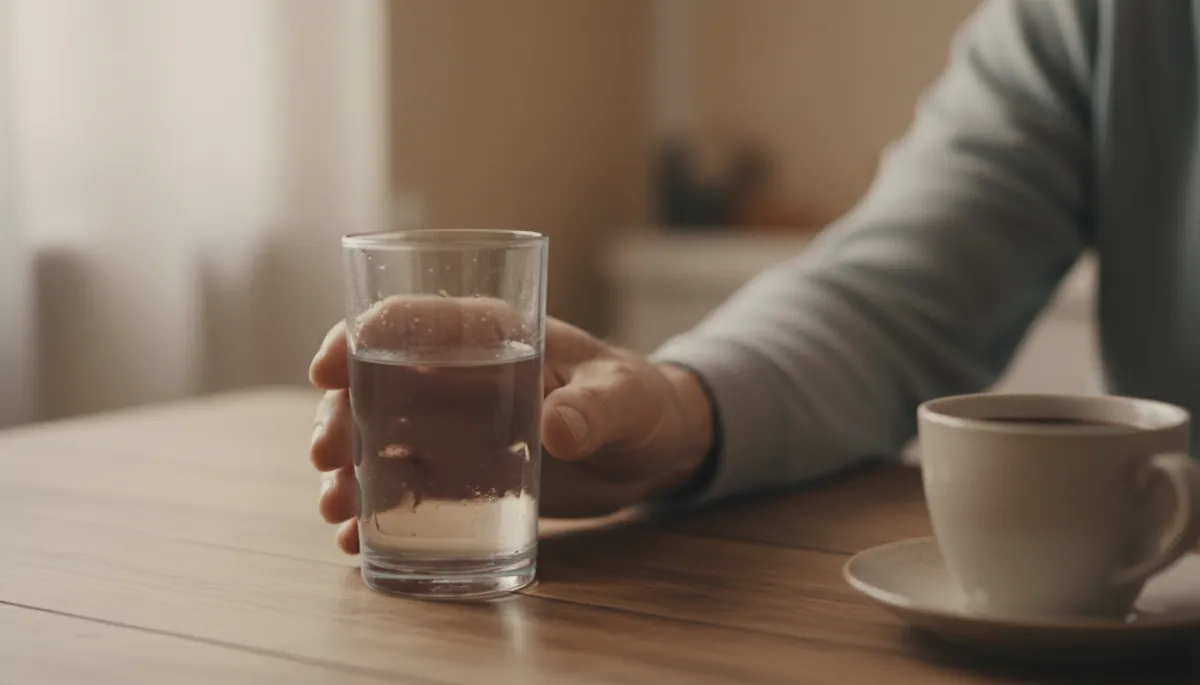
Alternating coffee with water protects hydration without giving up your morning ritual.
Sleep Quality: More Than Just Hours in Bed
Many veterans say, “I sleep, but I don’t feel rested.” That’s a sign of poor sleep quality. You might be in bed for seven or eight hours, but if you’re waking up often, having nightmares, or sleeping very lightly, your brain and body don’t get the deep rest they need to repair and reset.
Hydration, caffeine, and sleep are tightly linked. Being dehydrated can cause nighttime cramps and headaches. Too much caffeine can make it hard to fall asleep or stay asleep. On the flip side, good sleep and hydration can lower cravings for heavy caffeine and sugar the next day, creating a healthier cycle for veteran health.
Common Sleep Challenges for Veterans
Difficulty falling asleep because your mind won’t “shut off”
Nightmares or flashbacks that wake you up suddenly
Waking up multiple times to use the bathroom, especially with evening caffeine or fluids
Pain, muscle tension, or restless legs that make it hard to get comfortable
💡 Sleep and Hydration Tip: Try to get most of your fluids in earlier in the day. Sip less in the last 1–2 hours before bed to reduce nighttime bathroom trips, while still staying well hydrated overall.
Sleep Tips Tailored for Veterans
Improving sleep quality doesn’t mean you need a perfect, quiet life. It means stacking the deck in your favor with realistic sleep tips that fit your reality now—family, work, appointments, and everything else.
Create a “wind-down” routine. About 30–60 minutes before bed, shift into calmer activities: reading, stretching, listening to music, or a warm shower. This signals your brain that it’s safe to stand down from the day’s watch.
Dim the lights and screens. Bright light from phones, TVs, and tablets can trick your brain into thinking it’s still daytime. Lowering brightness or using “night mode” can make it easier to fall asleep when you’re ready.
Keep your sleep schedule as steady as possible. Try to go to bed and wake up around the same times each day, even on weekends. Your body likes rhythm, and this can improve sleep quality over time.
Use breathing or grounding techniques. Slow, deep breaths or simple grounding exercises can help when your mind starts racing at night. For example, notice five things you can see, four you can feel, three you can hear, two you can smell, and one you can taste.
Sleep and Hydration: How They Work Together
Sleep and hydration are like two sides of the same coin. When you’re dehydrated, your body has to work harder at basic tasks, which can leave you feeling exhausted but still wired. When you’re well hydrated, your heart, muscles, and brain don’t have to strain as much, making it easier to relax into deeper sleep. In turn, good sleep helps regulate hormones that control thirst, appetite, and energy, supporting better hydration choices during the day.
For veterans managing conditions like high blood pressure, diabetes, or kidney issues, this relationship is especially important. Talking with your VA or primary care provider about your specific fluid needs is a smart move for long-term veterans health. Hydration isn’t “one size fits all,” but almost everyone benefits from a steady intake of fluids and a consistent sleep schedule.
Nutrition for Veterans: Fuel That Supports Sleep and Hydration
Nutrition for veterans doesn’t have to be complicated or expensive. It’s about giving your body the kind of fuel that supports energy during the day and restful sleep at night. What you eat and drink can either support or sabotage your hydration and sleep goals, so a few simple shifts can go a long way.
Foods That Support Hydration and Sleep Quality
Water-rich fruits and vegetables. Oranges, berries, melon, cucumbers, tomatoes, and leafy greens add both fluids and electrolytes to your day, helping with hydration without relying only on drinks.
Lean proteins. Chicken, fish, beans, lentils, and eggs help keep blood sugar steady, which reduces middle-of-the-night hunger and energy crashes that can disturb sleep quality.
Whole grains. Oats, brown rice, and whole-grain bread digest more slowly than refined carbs, offering steady energy and supporting veteran health throughout the day.
Evening Eating Habits That Help You Sleep
Keep dinner balanced but not heavy. Large, greasy, or spicy meals right before bed can cause heartburn or discomfort, which interferes with sleep quality. Aim to finish bigger meals 2–3 hours before bedtime when you can.
Choose gentle snacks if you’re hungry. A small snack like yogurt, a banana, or a handful of nuts can prevent waking up hungry without overloading your system at night.
Limit late-night sugar and alcohol. Both can disrupt sleep cycles. Alcohol may make you drowsy at first but often leads to lighter, more fragmented sleep later in the night.
💡 Nutrition Tip: If you’re cutting back on caffeine, pairing meals with water or herbal tea can help your body adjust while still feeling satisfied and hydrated.
Veteran Health: Putting It All Together in Daily Life
Veteran health is about more than doctor visits and medications. It’s about the everyday choices that either refill your tank or quietly drain it. Hydration, caffeine, sleep quality, and nutrition for veterans are all pieces of the same puzzle. You don’t have to get every piece perfect. Even one or two small changes can improve how you feel during the day and how you rest at night.
A Simple Daily Checklist for Sleep and Hydration
Morning: One full glass of water before coffee or tea. Eat something within a couple of hours of waking to steady your energy.
Midday: Keep a water bottle nearby and aim to sip regularly. Notice how many caffeinated drinks you’ve had and decide if you want to slow down for the rest of the day.
Afternoon: Switch to water or herbal tea. If you’re tired, try a brief walk, stretching, or a light snack instead of another energy drink when possible.
Evening: Eat a balanced dinner, hydrate earlier in the evening, and give yourself a calm wind-down routine before bed.
When to Reach Out for Extra Support
Sometimes, even your best efforts with hydration, caffeine, and sleep aren’t enough on their own. That doesn’t mean you’ve failed; it means something deeper might be going on, and you deserve support. Many veterans live with conditions like sleep apnea, chronic pain, PTSD, or depression that can seriously affect sleep quality and daily energy.
Talk with your VA provider or primary care doctor if you snore loudly, stop breathing in your sleep, or wake up gasping. Sleep apnea is common and treatable, and improving it can change your life.
If nightmares, flashbacks, or anxiety keep you awake, mental health support and trauma-informed care can help. You don’t have to handle it alone or “tough it out.”
If you have heart, kidney, or liver conditions, ask your provider about personalized hydration tips and safe caffeine limits tailored to your situation.
📌 Key Takeaway: Asking for help is not weakness. It’s a continuation of the same courage and responsibility you showed in service, now directed toward your own well-being.
Final Thoughts: Small Shifts, Real Impact
You’ve carried a lot, done a lot, and adapted to more than most people can imagine. Adjusting your habits around hydration, caffeine, and sleep is another kind of mission—but this time, the mission is you. Veteran health doesn’t come from perfection; it comes from small, steady choices that honor the body and mind that carried you through service and into the rest of your life.
Start with one simple change: a glass of water in the morning, a caffeine curfew in the afternoon, or a 30-minute wind-down routine at night. Notice how you feel after a week or two. Then build from there. Over time, these small steps in sleep and hydration, smarter caffeine use, and balanced nutrition for veterans can add up to better mood, clearer thinking, and more energy for the people and activities that matter most to you.
You’ve already proven you can handle hard things. Supporting your own health—with better hydration, mindful caffeine, and more restful sleep—is a way of giving yourself some of that same commitment and respect. You’ve earned it.