Healthy Habits for Veterans with PTSD & Pain
Veterans, PTSD, Chronic Pain, Healthy Habits, Mental Health, Wellness Strategies
Healthy Habits for Veterans Living With PTSD and Chronic Pain
Living with PTSD and chronic pain can feel like fighting a battle that no one else can see. For many Veterans, everyday tasks take extra courage and energy. The good news is that small, realistic healthy habits can make a big difference in how you feel physically and emotionally. This guide walks through friendly, down-to-earth wellness strategies you can start using today—at your own pace and on your own terms.
Understanding the Connection Between PTSD, Chronic Pain, and Daily Life
Many Veterans carry invisible wounds from their service. Post-traumatic stress disorder (PTSD) can show up as nightmares, flashbacks, anxiety, irritability, or feeling constantly on alert. Chronic pain—whether from injuries, wear and tear, or long-term health conditions—can add another heavy layer to everyday life. When PTSD and chronic pain show up together, they can feed off each other and make both mental health and physical wellness feel harder to manage.
Pain can trigger memories of traumatic events, and stress from PTSD can tighten muscles, raise blood pressure, and increase pain levels. Sleep often suffers, mood can dip, and it may feel easier to withdraw from family, friends, or activities you once enjoyed. If any of this sounds familiar, you are not alone—and there is nothing weak about what you are experiencing. Your body and mind are reacting to very real experiences, and they are doing the best they can to protect you, even if those reactions are no longer helpful in daily life.
📌 Key Takeaway: PTSD and chronic pain often go hand in hand for Veterans. Understanding this connection is the first step toward building healthy habits that support both your body and your mental health.
Start Small: Why Tiny Healthy Habits Matter More Than Big Changes
When you are dealing with PTSD and chronic pain, hearing advice like “just exercise more” or “think positive” can feel frustrating or even dismissive. Big changes can seem impossible when simply getting out of bed is already a victory. That is why focusing on small, consistent healthy habits is so powerful. Tiny steps respect your current energy, pain levels, and mental health while still moving you toward better wellness over time.
Instead of “I will walk 2 miles every day,” try “I will walk for 3–5 minutes after breakfast, if my pain allows.”
Instead of “I will fix my sleep schedule,” try “I will dim screens and lights 30 minutes before bed.”
Instead of “I will stop all negative thoughts,” try “I will notice one helpful thought each day and write it down.”
💡 Pro Tip: If a habit feels overwhelming, shrink it until it feels almost too easy. Consistency beats intensity when it comes to wellness strategies for Veterans with PTSD and chronic pain.
Gentle Movement: Supporting Your Body Without Pushing It Too Hard
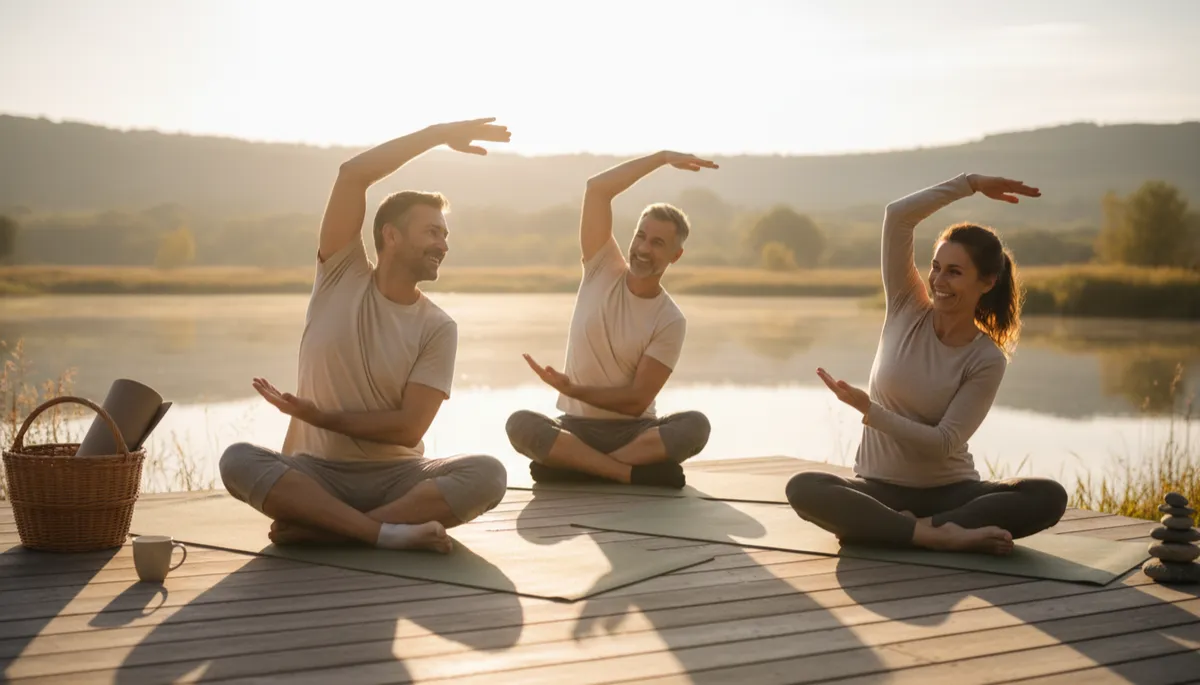
Movement is one of the most helpful healthy habits for managing both chronic pain and PTSD, but it has to be realistic and respectful of your limits. You do not need a gym membership or intense workouts to benefit. Even light, regular movement can improve circulation, ease stiffness, boost mood, and reduce anxiety. The goal is not to “push through the pain” but to work with your body in a gentle, supportive way.
Ideas for Veteran-Friendly Gentle Movement
Short, slow walks: Even a walk to the mailbox, around the yard, or down the hallway counts. If crowds or loud noises are triggering, choose quieter times or routes where you feel safer.
Chair exercises: Simple leg lifts, arm circles, or gentle stretches while seated can be easier on joints and back pain while still helping circulation and flexibility.
Water movement: If you have access to a warm pool, water can take pressure off painful joints and make movement more comfortable. Many communities offer Veteran-friendly aquatic classes.
Gentle yoga or tai chi: These practices combine slow movement, stretching, and breathing. Some programs are designed specifically for Veterans and trauma survivors, with options to sit near doors, skip poses, and move at your own pace.
⚠️ Reminder: Always check with your healthcare provider before starting a new exercise routine, especially if you have service-related injuries, heart conditions, or severe chronic pain.
Calming the Nervous System: Breathing, Grounding, and Relaxation Skills
PTSD often keeps the nervous system stuck in “high alert” mode. You might feel jumpy, tense, or always on guard. Chronic pain can send constant alarm signals through your body as well. Learning simple ways to calm your nervous system is one of the most important wellness strategies you can practice. These skills do not erase trauma or pain, but they can give you more control in the moment and create brief pockets of relief throughout your day.
Easy Breathing Exercises for Veterans With PTSD
4–6 breathing: Breathe in through your nose for a slow count of 4, then gently exhale through your mouth for a count of 6. Longer exhales signal your body that it is safe to relax. Try this for 1–3 minutes when anxiety spikes or before bed.
Hand on heart breathing: Place one hand on your chest and one on your belly. Breathe slowly and feel your hands rise and fall. This simple touch can feel grounding and reassuring, especially during flashbacks or intense emotions.
Grounding Techniques for Flashbacks and Pain Flares
5–4–3–2–1 method: Name 5 things you can see, 4 things you can feel, 3 things you can hear, 2 things you can smell, and 1 thing you can taste. This pulls your attention back into the present moment and away from racing thoughts or painful memories.
Temperature change: Splash cool water on your face, hold an ice cube, or sip a warm drink. A gentle shift in temperature can interrupt spirals of anxiety and refocus your mind on your body in a more neutral way.
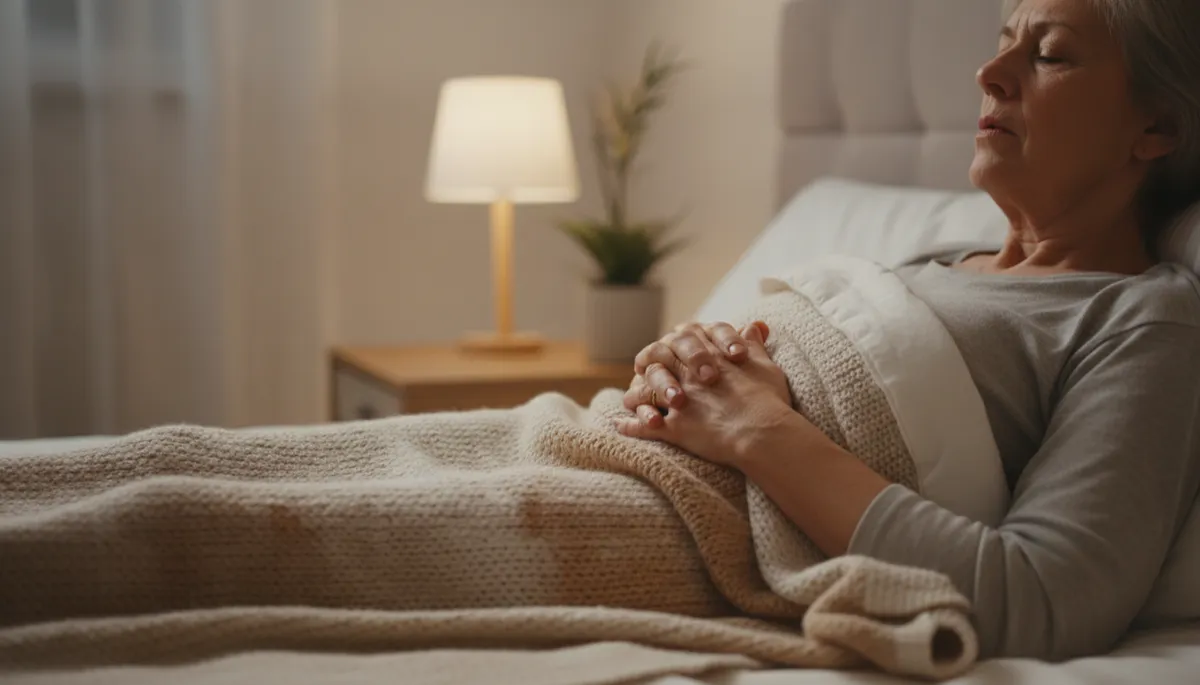
Simple grounding and breathing routines can lower anxiety and ease pain signals over time.
Sleep as a Foundation: Supporting Rest When Nighttime Is Hard
Many Veterans with PTSD and chronic pain struggle with sleep. Nightmares, racing thoughts, and discomfort can make it hard to fall asleep or stay asleep. Yet sleep is one of the most powerful tools for healing your body and stabilizing your mental health. You may not be able to control every part of your sleep, but you can build healthy habits that gently support better rest over time.
Practical Sleep Wellness Strategies
Create a wind-down routine: Aim for a simple 15–30 minute routine before bed—dim lights, stretch gently, listen to calming music, or read something light. Repeating the same steps each night teaches your brain that it is time to slow down.
Make your space feel safer: If PTSD makes you feel on edge, try small adjustments like night-lights, a fan for gentle noise, a weighted blanket (if comfortable), or arranging furniture so you can see the door from your bed. Feeling safer can help your nervous system relax.
Limit late caffeine and heavy meals: Caffeine, nicotine, and large meals close to bedtime can make both pain and anxiety worse at night. If possible, keep these earlier in the day and choose lighter snacks in the evening.
Have a plan for nightmares: Talk with a mental health provider about tools like imagery rehearsal (rewriting your nightmares while awake) or medications when appropriate. Keeping a glass of water, a grounding object, or a calming phrase nearby can also help you settle more quickly after waking up.
Nourishing Your Body: Simple, Veteran-Friendly Nutrition Habits
Food will not cure PTSD or chronic pain, but it can either support or strain your body. When pain is high or mood is low, it is easy to skip meals, snack on whatever is closest, or rely heavily on fast food. Over time, this can increase inflammation, drain your energy, and make mood swings more intense. Building a few basic nutrition habits can help stabilize your body and support your mental health without requiring a perfect diet or complex cooking skills.
Stay hydrated: Even mild dehydration can worsen fatigue, headaches, and concentration problems. Keep a water bottle nearby and sip throughout the day. If plain water is tough, try herbal tea or water with a splash of fruit juice or lemon.
Balance your plate: When you can, aim to include a source of protein (like eggs, beans, chicken, or yogurt), some colorful fruits or vegetables, and a whole grain or starchy food. This mix helps stabilize blood sugar, which can support your mood and energy levels throughout the day.
Prepare “easy wins”: On a better day, stock your kitchen with simple, low-effort foods you can grab when you are in more pain—things like pre-washed salad, canned soup, rotisserie chicken, yogurt cups, nuts, or microwaveable rice and vegetables.
Watch your relationship with alcohol: Some Veterans use alcohol to numb pain or quiet intrusive thoughts. While it may bring short-term relief, alcohol can worsen sleep, increase depression and anxiety, and interact with medications. If you are concerned about your drinking, reaching out for support is a strong and courageous step.
Emotional Check-Ins: Caring for Your Mental Health Day by Day
Healthy habits are not just about your body—they are also about your inner world. PTSD can make emotions feel intense, unpredictable, or numb. Chronic pain can add frustration, grief, or anger. Regular, gentle emotional check-ins can help you notice what you are feeling before it becomes overwhelming and give you a chance to respond with kindness rather than criticism.
Simple Mental Health Habits for Veterans
Daily mood check: Once a day, pause and ask yourself, “On a scale of 1–10, how am I doing emotionally?” There is no right answer. The goal is simply to notice and name what is going on inside.
Journaling in short bursts: Writing a full page might feel like too much. Instead, try writing 3 bullet points: one thing that was hard today, one thing you handled, and one thing you are grateful for or looking forward to, even if it is small (like a favorite show or a quiet cup of coffee).
Self-compassion statements: PTSD often comes with harsh self-talk. Experiment with kinder phrases like, “I am doing the best I can with what I have,” “What happened to me was not my fault,” or “It is okay to rest.” You do not have to fully believe these at first—just practicing them is a healthy habit.
💡 Pro Tip: If you notice your emotional “number” dropping for several days in a row, consider reaching out to a trusted friend, fellow Veteran, or mental health professional sooner rather than later. Early support can prevent things from getting more intense.
Connection and Community: You Do Not Have to Do This Alone
Isolation can make PTSD and chronic pain feel even heavier. You might pull away from people because you do not want to burden them, because crowds feel unsafe, or because it is exhausting to explain what you are going through. At the same time, human connection is one of the strongest protective factors for mental health. Building or rebuilding supportive relationships—at your own pace—is a powerful wellness strategy for Veterans.
Lean on Veteran communities: Many Veterans find it easier to open up with people who “get it” without a long explanation. Look for local or online Veteran groups, peer support programs, or recreational activities designed for former service members.
Set small social goals: Instead of aiming for a big gathering, try a 10-minute phone call, a quick text check-in, or a short visit with one trusted person. Celebrate these steps—they are meaningful acts of courage and connection.
Let others know what helps: It is okay to tell family or friends, “I might need to leave early,” “Please do not touch me from behind,” or “If I get quiet, I am not mad—I am just overwhelmed.” Clear communication helps others support you better and can reduce stress in social situations.
Working With Professionals: Building a Support Team Around You
Healthy habits are powerful, but they work best alongside professional care. PTSD and chronic pain are complex conditions that deserve expert support. If you have not already, consider connecting with a mental health provider, pain specialist, or primary care doctor who understands Veterans’ experiences. You deserve care that respects your service and your story.
Therapy for PTSD: Evidence-based treatments like cognitive processing therapy (CPT), prolonged exposure (PE), and EMDR have helped many Veterans reduce PTSD symptoms. Therapy can also teach coping skills that work alongside the healthy habits you practice at home.
Pain management support: Pain clinics, physical therapists, and rehabilitation specialists can help you find a mix of treatments—like targeted exercises, medications, injections, or alternative therapies—that fit your needs and values. You do not have to “just live with it” without options.
Combining care: Let your providers know about both your PTSD and chronic pain. When your care team understands the full picture, they can help you create wellness strategies that support your whole self, not just one symptom at a time.
Making Healthy Habits Stick: Practical Tips for Real-Life Follow-Through
Knowing what to do and actually doing it—especially when you are tired, in pain, or triggered—are two very different things. The goal is not perfection. Instead, think of healthy habits as tools you can reach for when you are able, not rules you have to follow every day. Here are some friendly strategies to help these wellness habits fit into real life as a Veteran living with PTSD and chronic pain.
Pair habits with existing routines: Attach a new habit to something you already do. For example, practice 2 minutes of deep breathing after brushing your teeth, stretch gently while your coffee brews, or do a quick mood check before you turn on the TV in the evening.
Use visual reminders: Sticky notes, phone alarms, or a small object (like a smooth stone or bracelet) can remind you to pause, breathe, or check in with yourself throughout the day. Place them where you naturally look—by the sink, on the fridge, or near your favorite chair.
Plan for flare-up days: On a better day, make a short list titled “When things are rough.” Include 3–5 tiny habits you can still do when pain or PTSD symptoms spike—like drinking water, texting a friend, or sitting outside for 5 minutes. Keep this list somewhere easy to see.
Celebrate small wins: Every step counts. If you walked for two minutes, used a grounding technique during a flashback, or chose a balanced snack instead of skipping a meal, that is worth noticing. Over time, these small victories add up to real change in your mental health and overall wellness.
A Gentle, Encouraging Closing Message for Veterans
If you are a Veteran living with PTSD and chronic pain, you have already carried more than most people can imagine. The fact that you are reading about healthy habits and wellness strategies says a lot about your strength and your desire to feel better, even if things are hard right now. Healing is not a straight line. Some days you may feel like you are moving backward. That does not erase your progress or your worth.
Try choosing just one small habit from this guide to experiment with this week—maybe a short breathing exercise, a gentle stretch, a glass of water, or a quick text to a fellow Veteran. Notice how it feels, and give yourself credit for trying. When you are ready, you can add another habit, and then another, building a personal toolkit that supports both your mental health and your body over time.
You deserve care, comfort, and peace in this chapter of your life. Healthy habits will not erase the past, but they can help you create more steady, hopeful days ahead. And you never have to walk that path alone—support, community, and professional help are available, and reaching for them is a sign of courage, not weakness.