
Essential Sleep Tips for Veterans' Health & Wellness
Health, Sleep Health, Wellness Veterans, Veteran Health Tips
Why Sleep Is Essential for Health and Wellness as a Veteran
As a veteran, you’ve carried responsibilities and experiences that most people will never fully understand. Your body and mind have been through a lot, and that makes sleep health especially important. In this friendly guide, we’ll explore why sleep matters so much for wellness veterans, how it affects your mental and physical health, and practical veteran health tips you can start using tonight. Think of this as a supportive conversation with someone who genuinely wants you to feel better, rest deeper, and wake up stronger.
1. Why Sleep Matters So Much After Military Service
During your time in uniform, sleep may have felt like a luxury. Odd hours, night operations, noisy barracks, and constant readiness can train your body to survive on very little rest. The problem is that, over time, this takes a toll. Once you transition to civilian life, your body and mind still remember those patterns, even if your schedule has changed. That’s why understanding the importance of sleep as a veteran is so crucial for long-term wellness.
Sleep isn’t just “down time.” It’s when your brain files away memories, your muscles repair themselves, and your nervous system finally gets a chance to reset. When you’ve lived through high-stress environments or traumatic events, your system needs that reset even more. Good sleep health is one of the most powerful tools you have for healing, recovery, and everyday functioning as a veteran.
💡 Friendly Reminder: Wanting better sleep isn’t being “soft.” It’s being smart about your health, your mood, and your future.
2. The Science of Sleep Health in Everyday Language
You don’t need a medical degree to understand the basics of sleep health. Think of sleep as a mission with several phases. During the night, your brain cycles through different stages: light sleep, deep sleep, and REM (dream) sleep. Each stage has a job:
Light sleep helps your body start relaxing, lowering your heart rate and body temperature.
Deep sleep is prime time for muscle repair, immune system support, and physical recovery—especially important if you’re dealing with chronic pain or old injuries.
REM sleep is when your brain processes emotions, memories, and stress, which directly connects to mental health sleep benefits.
When your sleep is cut short, broken up, or constantly restless, you miss out on full cycles. Over time, that can lead to more anxiety, irritability, brain fog, and health issues like high blood pressure or weight gain. For wellness veterans, protecting those sleep cycles is like putting armor back on—but this time, it’s for your long-term health and peace of mind.
3. Sleep Benefits That Matter Most for Veterans
Let’s talk about the real-world sleep benefits you can feel in your daily life. These aren’t abstract ideas; they’re changes you might notice within days or weeks of improving your sleep health.
Better Mood and Emotional Balance
When you’re rested, you’re more patient, less on edge, and better able to handle everyday stress. That’s because sleep helps regulate the parts of your brain that manage emotions and impulse control. For veterans who may be dealing with irritability, anger, or emotional ups and downs, this is huge. Quality sleep supports better mental health sleep outcomes and can make therapy, counseling, or medication more effective too.
Sharper Focus and Clearer Thinking
Whether you’re going to school, working a civilian job, or managing your household, you rely on your brain every day. Sleep helps with concentration, decision-making, and memory. If you’ve noticed “brain fog,” forgetfulness, or trouble staying on task, improving your sleep can be one of the most effective, low-cost tools you have. It’s a simple but powerful veteran health tip: protect your sleep to protect your mind.
Stronger Body and Less Pain
Many veterans live with chronic pain—from back issues and joint problems to headaches and old injuries. Poor sleep can make that pain feel worse, while good sleep can help your body cope. During deep sleep, your body releases growth hormones and other chemicals that support healing and reduce inflammation. Over time, better sleep can mean fewer flare-ups, less stiffness, and a bit more ease in your day-to-day movement.
Healthier Heart, Weight, and Immune System
Sleep also impacts your blood pressure, blood sugar, and appetite. When you’re short on sleep, your body tends to crave more sugary or high-calorie foods, and your hormones can push you toward weight gain. Lack of sleep is linked to higher risk of diabetes, heart disease, and weakened immunity. For wellness veterans who want to stay active, strong, and independent, prioritizing sleep is one of the most practical ways to protect your long-term health.
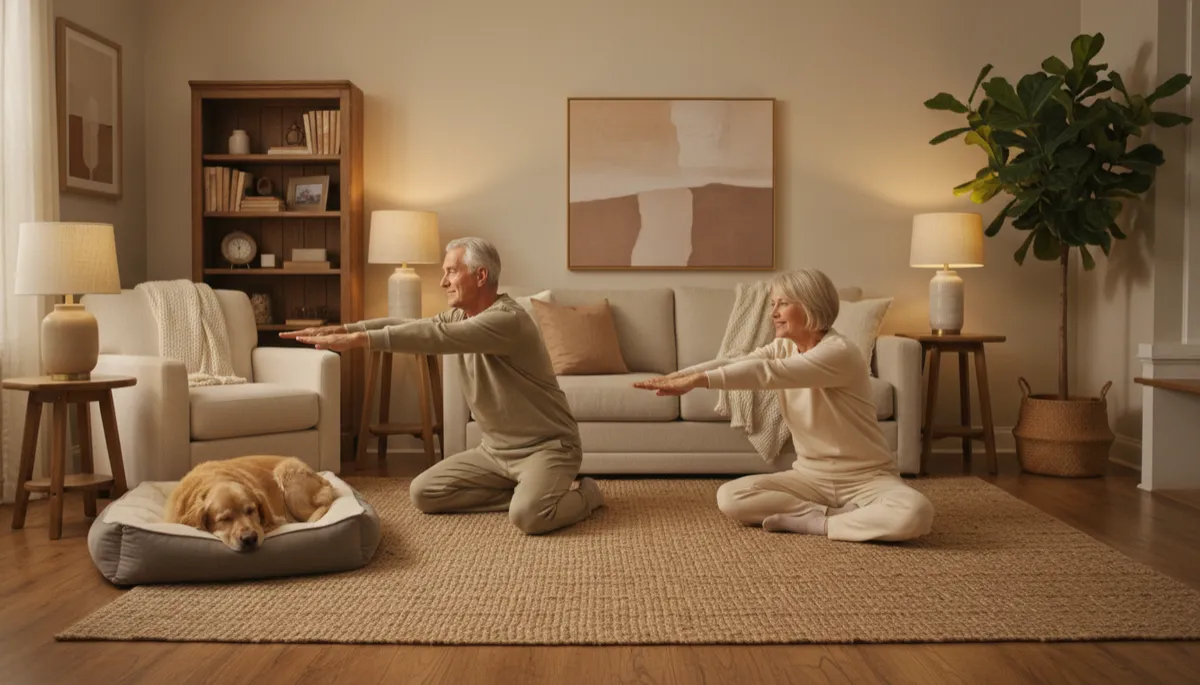
Simple evening routines like stretching can ease the body into deeper, more restorative sleep.
4. Mental Health and Sleep: A Two-Way Street for Veterans
For many veterans, mental health and sleep are tightly connected. Conditions like PTSD, anxiety, and depression can make it hard to fall asleep, stay asleep, or feel rested when you wake up. Nightmares, racing thoughts, or a sense of being “on guard” can keep your nervous system stuck in high alert—even when you’re safe at home. This is where the phrase mental health sleep really comes to life: the two constantly influence each other.
When sleep is poor, your brain has less capacity to process emotions and stress. That can worsen symptoms like mood swings, intrusive thoughts, or feeling detached. On the other hand, improving your sleep can gently support your mental health by giving your brain more time and space to heal. This doesn’t replace therapy or medication, but it works alongside them as a powerful ally in your recovery and overall wellness as a veteran.
💬 Gentle Truth: Struggling with sleep doesn’t mean you’re weak. It means your mind and body are responding to real experiences—and they deserve care, not criticism.
5. Common Sleep Challenges Veterans Face
You’re not alone if sleep feels complicated. Many veterans share similar challenges, including:
Insomnia: Difficulty falling asleep, staying asleep, or waking too early and not being able to get back to sleep.
Nightmares or vivid dreams: Often connected to past experiences, sometimes leading to fear of going to sleep.
Hypervigilance: Feeling constantly alert, reacting to sounds, or needing to check doors and windows repeatedly before bed.
Sleep apnea: Breathing interruptions during sleep, often leading to loud snoring, gasping, and extreme daytime fatigue.
Shifted sleep schedules: Years of irregular duty hours that make it hard to settle into a consistent bedtime.
Recognizing these challenges is the first step toward improving your sleep health. None of them make you “broken.” They simply mean your body adapted to a demanding environment, and now it needs help adapting back to a more restful one. That’s where practical veteran health tips for sleep come in.
6. Practical Veteran Health Tips to Improve Sleep
You’ve followed routines, checklists, and training plans before. You can apply that same mindset to building healthier sleep habits. Here are some friendly, realistic veteran health tips to support your sleep health and overall wellness.
Tip 1: Set a Consistent Sleep and Wake Time
Your body loves routine, even if your military schedule didn’t always allow for it. Try choosing a bedtime and wake-up time that you can keep most days, including weekends. This helps reset your internal clock so falling asleep becomes easier over time. Start with small adjustments—going to bed 15–30 minutes earlier each week—until you’re getting about seven to nine hours of sleep most nights.
Tip 2: Create a Wind-Down Routine That Feels Safe and Calming
Before sleep, your nervous system needs a clear signal that it’s safe to relax. A nighttime routine can send that message. Consider:
Taking a warm shower to loosen tight muscles.
Doing gentle stretches or slow breathing for 5–10 minutes.
Reading something light or listening to calm music or nature sounds.
Over time, your brain starts to associate these activities with sleep, helping you shift from “on guard” to “at ease.” This simple habit supports both sleep benefits and better mental health sleep outcomes.
Tip 3: Make Your Sleep Space Work for You
Your bedroom should feel like a safe zone, not a stressful one. Here are a few small changes that can make a big difference for wellness veterans:
Keep the room cool, dark, and quiet. Blackout curtains, a fan, or a white noise machine can help.
Use warm, soft lighting in the evening instead of bright overhead lights.
If possible, reserve your bed for sleep and intimacy—not for scrolling your phone, watching stressful shows, or working.
These adjustments tell your body, “This is where we rest,” which supports the importance of sleep in your daily wellness routine.
Tip 4: Watch Caffeine, Alcohol, and Nicotine Timing
Coffee, energy drinks, alcohol, and nicotine can all interfere with sleep health. You don’t necessarily have to give them up completely, but timing matters:
Try to avoid caffeine within six hours of bedtime.
Remember that alcohol may help you fall asleep faster but often leads to lighter, more broken sleep later in the night.
Nicotine is a stimulant, so cutting back in the evening can help your body relax.
Being mindful of these substances is a simple but powerful way to honor the importance of sleep in your overall wellness plan.
Tip 5: Learn Simple Relaxation Skills for Nighttime Anxiety
If your mind tends to race when your head hits the pillow, you’re not alone. Many veterans find that quiet moments bring up memories or worries. Here are a few gentle tools you can try:
Box breathing: Inhale for four seconds, hold for four, exhale for four, hold for four. Repeat several times.
Grounding: Notice five things you can see, four you can feel, three you can hear, two you can smell, and one you can taste.
Journaling: Spend a few minutes writing down worries or to-do items so your brain doesn’t have to hold them all night.
These practices support both mental health sleep and emotional resilience, making it easier to drift into deeper rest.
Tip 6: Get Support from VA and Community Resources
You don’t have to tackle sleep problems alone. Many VA clinics and community providers offer sleep studies, counseling, and treatment options specifically for veterans. If you suspect sleep apnea, chronic insomnia, or PTSD-related sleep issues, talking with a provider is a sign of strength, not weakness. It’s one more way of honoring the importance of sleep in your healing journey.
📌 Key Takeaway: Asking for help with sleep is just as valid as asking for help with a physical injury. Both deserve care and attention.
7. Building a Wellness Plan That Puts Sleep First
When you think about wellness veterans, you might picture fitness, nutrition, or mental health support. Sleep belongs in that same category—right at the top. Instead of treating it as an afterthought, consider making sleep the foundation of your wellness plan. Here’s how that might look in a simple weekly routine:
Choose a consistent bedtime and wake-up time that fits your life.
Plan your exercise earlier in the day so it boosts sleep instead of keeping you wired at night.
Prepare simple, balanced meals that keep your energy steady and support healthy sleep hormones.
Schedule time for connection—family, friends, or fellow veterans—which can ease loneliness and nighttime worry.
By weaving sleep into your daily decisions, you’ll start to feel the sleep benefits ripple through every part of your life—from your mood and energy to your relationships and goals.
8. Small Steps, Real Progress: Encouragement for Veterans Working on Sleep
If your sleep has been rough for years, it’s easy to feel discouraged. But just like training, recovery, or learning any new skill, improving sleep health takes time and repetition. You don’t have to fix everything in one night. Start with one or two changes—a consistent bedtime, a short wind-down routine, or cutting back on late caffeine—and give yourself credit for each step you take.
Remember, your body is on your side. It wants to heal. It wants to rest. When you give it the chance, amazing things can happen. Many veterans report that once they start sleeping better, they feel more hopeful, more patient with loved ones, and more capable of tackling other goals—whether that’s going back to school, starting a new job, or simply enjoying everyday life more fully.
9. Bringing It All Together: The Importance of Sleep for Veteran Wellness
Let’s recap the heart of this conversation. As a veteran, you’ve given a lot—your time, your energy, and in many cases, your peace of mind. Prioritizing sleep is one way to give something back to yourself. The importance of sleep in your life touches everything:
It supports your mental health sleep needs, helping your brain process stress and emotion.
It boosts your physical recovery, reduces pain, and helps protect your heart and immune system.
It sharpens your focus, improves your mood, and strengthens your relationships.
It gives you more energy to pursue the goals and activities that matter most to you now.
The sleep benefits you’ll experience won’t look exactly the same as another veteran’s, because your story is unique. But across countless experiences, one truth holds: better sleep is a powerful foundation for better days. By taking small, consistent steps and reaching out for support when you need it, you’re investing in your own future health and happiness.
❤️ A Friendly Note: You earned the right to rest. Let sleep be part of how you honor your service and care for the person who lived it—you.
10. Your Next Step Toward Better Sleep Health
As you finish reading, consider one simple action you can take today to support your sleep health and overall wellness:
Setting a bedtime reminder on your phone.
Choosing a calming activity for the last 20–30 minutes before bed tonight.
Talking with your healthcare provider about snoring, insomnia, or nightmares you’ve been quietly dealing with.
Each of these is a meaningful step toward stronger wellness veterans outcomes and a life where rest isn’t an afterthought—it’s a priority. The importance of sleep in your journey can’t be overstated, but it also doesn’t have to be overwhelming. One night, one habit, one conversation at a time, you can move toward calmer nights and brighter mornings.
You stood up for others. Now, it’s time to stand up for your own health. Let sleep be one of the ways you do that—with kindness, patience, and the same determination that carried you through service and into the next chapter of your life.