
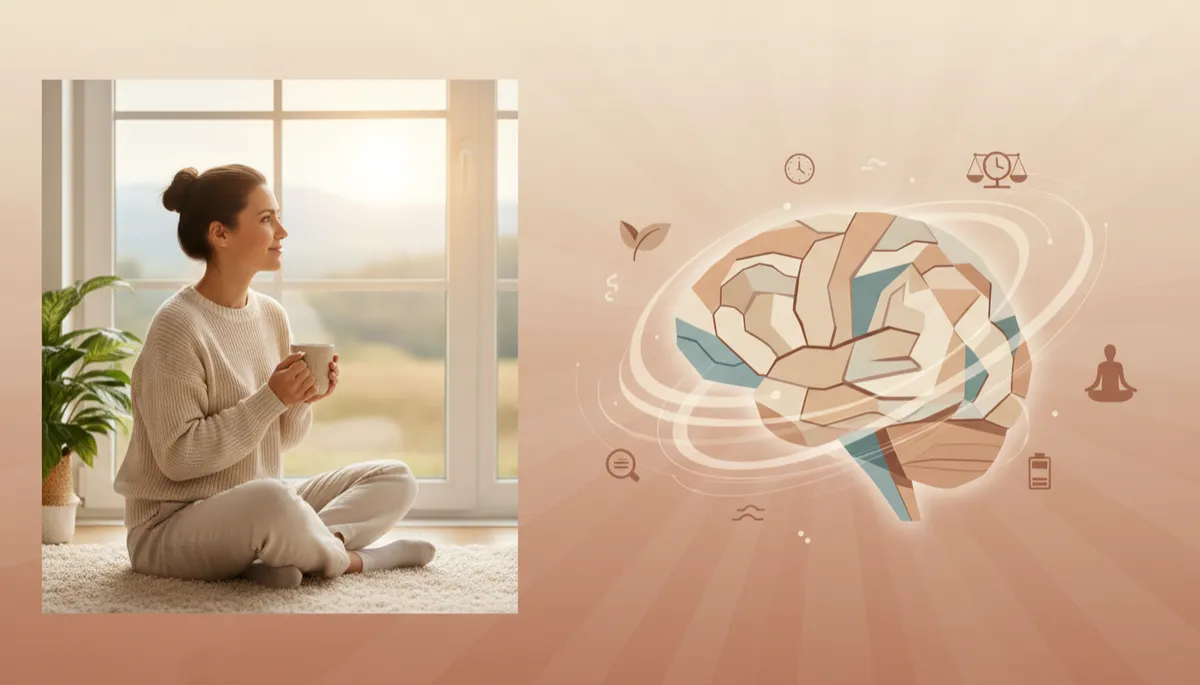
Burnout Prevention: Protect Your Energy & Health
Burnout Prevention, Mental Health Tips, Energy Management, Stress Relief, Self-care Practices, Work-life Balance
Burnout Prevention: How to Protect Your Energy and Mental Health
Feeling constantly exhausted, emotionally drained, and disconnected from the things you used to enjoy doesn’t have to be your “new normal.” With the right burnout prevention strategies, mental health tips, and everyday self-care practices, you can protect your energy, support your well-being, and build a healthier work-life balance—without having to quit your job or overhaul your entire life overnight.
What Burnout Really Is (And Why It’s Not Just “Being Tired”)
Burnout is more than a rough week or feeling sleepy after a long day. It’s a state of emotional, physical, and mental exhaustion caused by prolonged stress—especially when you feel overwhelmed, undervalued, or unable to recharge. It often shows up slowly, which is why burnout prevention is so important. By the time many people notice what’s happening, they’re already running on fumes.
Common signs of burnout include:
Constant fatigue, even after a full night’s sleep
Feeling detached, cynical, or “numb” about work or responsibilities
Increased irritability, anxiety, or emotional outbursts over small things
Trouble concentrating, forgetfulness, and frequent mistakes
Headaches, muscle tension, stomach issues, or frequent colds
📌 Key Takeaway: Burnout is a stress response, not a personal failure. If you’re feeling this way, you’re not “weak”—you’re human, and your mind and body are asking for change.
Step One in Burnout Prevention: Notice Your Early Warning Signs
Everyone has their own “early warning lights” before full burnout hits. The trick is learning to recognize yours and respond early. That’s the heart of effective burnout prevention and energy management: listening to your body and mind before they start shouting at you.
Take a moment to reflect on the last time you felt completely drained. What showed up first?
Did you start snapping at people you care about?
Did you lose interest in hobbies or social plans you usually enjoy?
Did your sleep or appetite change suddenly?
Write down three to five of your personal early warning signs. Keep them somewhere visible—on your phone, in your planner, or next to your desk. When you see those signs popping up, treat them like a friendly alarm: it’s time to slow down, adjust your workload, and lean into your self-care practices.
💡 Pro Tip: Set a monthly reminder to check in with yourself. Ask, “On a scale of 1–10, how close am I to burnout?” If you’re creeping above a 6, it’s time to prioritize stress relief and rest.
Mental Health Tips to Protect Your Well-being Daily
Burnout prevention and mental health go hand in hand. You don’t have to wait until you’re in crisis to care for your mind. Small, consistent habits can make a powerful difference over time. Here are practical mental health tips you can start today—no drastic life changes required.
1. Build Mini Mental Breaks Into Your Day
Your brain isn’t designed to be “on” for hours without rest. Short, intentional breaks actually improve focus and productivity. Try:
A 60-second stretch and deep-breathing pause between tasks
A quick walk around the block or down the hallway after meetings
Looking away from screens and out a window for a few minutes each hour
These micro-breaks act like pressure valves, releasing stress before it builds into something bigger.
2. Practice Gentle Self-talk Instead of Harsh Criticism
The way you speak to yourself can either fuel burnout or protect you from it. If your inner voice constantly says, “You’re not doing enough,” your stress levels will skyrocket. Try shifting to more compassionate language, such as:
“I’m doing my best with the energy I have today.”
“It’s okay to rest. Rest helps me show up better tomorrow.”
“My worth is not measured only by my productivity.”
This simple mental health tip takes practice, but over time it lowers anxiety and makes it easier to set healthy boundaries.
3. Stay Connected Instead of Isolating
Burnout often makes you want to withdraw, but connection is a powerful form of stress relief. You don’t need long, intense conversations—just regular, genuine touchpoints with people who care about you. That might look like:
Sending a quick voice note to a friend during lunch
Scheduling a weekly check-in call with a family member
Joining a hobby group, class, or online community that feels supportive
📌 Key Takeaway: You don’t have to carry everything alone. Asking for help—whether from a friend, partner, or mental health professional—is a strength, not a weakness.
Energy Management: Treat Your Energy Like a Budget, Not a Mystery
One of the most powerful burnout prevention tools is learning energy management. Instead of assuming you should be able to do everything, all the time, you start to notice what drains you and what refuels you—and then you plan your days around that awareness as much as possible.
Map Your Energy Drainers and Fillers
Take a blank page and draw a line down the middle. Label one side “Drains My Energy” and the other “Refills My Energy.” Then list everything you can think of from your daily life. For example:
Drains My Energy | Refills My Energy |
|---|---|
Back-to-back meetings, constant notifications, multitasking | Quiet mornings, walks, reading, music, time outdoors |
Skipping meals, scrolling late at night, saying yes to everything | Nourishing meals, stretching, journaling, quality sleep |
You don’t have to eliminate every drain, but you can balance them. If you know a long afternoon meeting will be draining, you might protect your morning for focused work and schedule a short walk afterward as a reset.
Design Energy-Friendly Routines, Not Rigid Schedules
Classic productivity advice often focuses on squeezing more into your day. Energy management flips that: it’s about doing what matters most with the energy you actually have. Try:
Scheduling your most mentally demanding tasks during your naturally high-energy hours (for many people, that’s mid-morning)
Grouping similar tasks together to avoid constant switching (for example, answering emails twice a day instead of every few minutes)
Leaving buffer time between commitments so you can breathe, reset, and arrive present instead of rushed
💡 Pro Tip: At the end of each day, ask, “What gave me energy today? What drained me?” Adjust tomorrow’s plan based on what you learn. This simple reflection turns trial-and-error into a powerful energy management habit.
Stress Relief You Can Actually Stick With
When life is busy, it’s easy to think, “I don’t have time for stress relief.” But stress doesn’t disappear just because we ignore it—it builds up in the body. The good news is that you don’t need an hour-long routine to calm your nervous system. Short, simple practices done consistently are surprisingly effective for burnout prevention.
Try the 3–3–3 Grounding Technique
When your mind is racing, this quick exercise can bring you back to the present moment:
Look around and name three things you can see.
Notice three things you can hear, near or far.
Gently move three parts of your body—for example, roll your shoulders, stretch your fingers, and wiggle your toes.
This simple mental health tip helps interrupt spiraling thoughts and signals to your body that you’re safe in this moment.
Use Your Breath as a Built-in Stress Reliever
Your breath is one of the fastest ways to calm your nervous system—and it’s always with you. Try this easy pattern:
Inhale gently through your nose for a count of 4
Hold for a count of 2
Exhale slowly through your mouth for a count of 6
Repeat this for 5–10 breaths whenever you feel tension rising. Longer exhales signal your body to shift out of “fight or flight” and into a calmer state.

Simple rituals like journaling with tea can gently lower stress each day.
Move Your Body in Ways That Feel Good, Not Punishing
Movement is one of the most effective forms of stress relief, but it doesn’t have to mean intense workouts—especially when you’re already exhausted. Gentle movement counts. Think:
A slow walk while listening to a favorite podcast or calm music
A 10-minute stretching or yoga video before bed
Dancing in your kitchen while making dinner
The goal isn’t perfection. It’s helping your body release some of the stress it’s been quietly storing all day.
Self-care Practices That Actually Support Burnout Prevention
Self-care is more than bubble baths and face masks—though those can be lovely, too. Real self-care practices are the habits and boundaries that protect your mental and physical health over time. They may not always look glamorous, but they’re powerful tools for burnout prevention and energy management.
Protect Your Sleep Like It’s an Important Appointment
Sleep is one of the most underrated mental health tips. When you’re sleep-deprived, everything feels harder, and burnout hits faster. Try choosing one small sleep-supporting habit to focus on this week, such as:
Setting a consistent “wind-down” time where you dim lights and step away from screens
Keeping your phone out of arm’s reach while you sleep (or in another room)
Creating a short bedtime ritual—like reading a few pages, stretching, or writing down three things you’re grateful for
Nourish Yourself with Food That Helps You Feel Steady
You don’t need a perfect diet to support your mental health, but regularly skipping meals or living on caffeine and sugar can make burnout symptoms worse. Aim for gentle, realistic changes:
Keep simple, nourishing snacks nearby—like nuts, fruit, yogurt, or hummus and crackers—so you’re not running on empty between meals
Drink water regularly; even mild dehydration can increase fatigue and headaches
Notice how different foods make you feel: more energized, sluggish, or anxious, and adjust gently over time
Set Boundaries That Support Work-life Balance
One of the most powerful self-care practices for burnout prevention is learning to say “no” or “not right now.” Boundaries aren’t about being difficult; they’re about recognizing that your time and energy are limited and choosing how to use them intentionally. Some examples:
Letting colleagues know you don’t respond to emails after a certain hour unless it’s truly urgent
Saying, “I’d love to help, but I don’t have the capacity for that this week”
Choosing one or two evenings a week that are “non-negotiable rest time” for you
📌 Key Takeaway: Every “yes” is also a “no” to something else—often your rest, hobbies, or relationships. Boundaries help you say “yes” to what matters most in the long run.
Creating Work-life Balance That Feels Realistic (Not Perfect)
Work-life balance doesn’t mean every day is evenly split between work, home, and fun. Life is naturally uneven. Some seasons are busier than others. The goal isn’t perfection—it’s flexibility and awareness. You want to be able to notice when work is taking over and gently bring things back into balance before burnout sets in.
Define What Balance Looks Like for You Right Now
Your ideal work-life balance might not look like anyone else’s—and that’s okay. Ask yourself:
How many evenings a week do I want to keep free from work?
What activities make me feel like a whole person, not just an employee or caregiver?
What small rituals could I add to my mornings or evenings to mark the transition between “work mode” and “home mode”?
Maybe balance for you means no work on Sundays, or always having Saturday mornings for yourself, or turning off notifications after 7 p.m. Start with one clear, doable boundary and build from there.
Use Transitions to Protect Your Energy
If you work from home—or even if you bring work home mentally—it’s easy for your job to bleed into every corner of your day. Creating small transition rituals can help your brain switch gears and support a healthier work-life balance. For example:
Closing your laptop, tidying your workspace, and literally saying, “Work is done for today”
Changing into different clothes after work to signal that your time is now yours
Taking a short walk or listening to a favorite song between work and home responsibilities
💡 Pro Tip: If you notice yourself checking work email out of habit in the evenings, move the app off your home screen or log out after hours. Make “just a quick check” slightly less convenient, and your brain will slowly let go of the habit.
When to Reach Out for Extra Support
Self-care practices, energy management, and stress relief techniques are powerful, but they’re not a replacement for professional support when you need it. If you’ve been feeling burned out for a long time, or your symptoms are interfering with your ability to function, it’s completely okay—and often essential—to ask for help.
Consider reaching out to a mental health professional if you notice:
Persistent sadness, hopelessness, or loss of interest in things you used to enjoy
Intense anxiety, panic attacks, or constant worry that won’t switch off
Thoughts of harming yourself or feeling that others would be better off without you
Talking with a therapist, counselor, or doctor can help you explore what’s driving your burnout and create a plan tailored to your situation. You deserve support; you don’t have to figure this all out alone.
Bringing It All Together: A Gentle Plan for Burnout Prevention
Burnout doesn’t happen overnight, and recovery won’t either—but every small step you take toward protecting your energy and mental health truly matters. Instead of trying to change everything at once, choose one or two strategies from this guide to focus on this week. For example, your personal burnout prevention plan might look like:
Mental Health Tip: Practice kinder self-talk and schedule one short connection with a friend or loved one.
Energy Management: Notice your high-energy time of day and protect it for your most important task.
Stress Relief: Use the 4–2–6 breathing pattern once in the morning and once in the afternoon.
Self-care Practices: Choose a simple sleep ritual and stick with it three nights this week.
Work-life Balance: Set one clear boundary around work hours or notifications.
As these habits become more natural, you can add new ones. Over time, you’ll build a life that doesn’t just help you bounce back from burnout, but makes it less likely to take hold in the first place.
You are allowed to rest. You are allowed to say no. You are allowed to build a life that supports your well-being. Burnout prevention isn’t selfish—it’s a loving investment in your future self, and in the people who depend on you.
If you take away just one message from this guide, let it be this: your energy and mental health are worth protecting. Start small, be gentle with yourself, and remember that every choice to pause, breathe, and care for yourself is a powerful step away from burnout and toward a more sustainable, fulfilling life.