
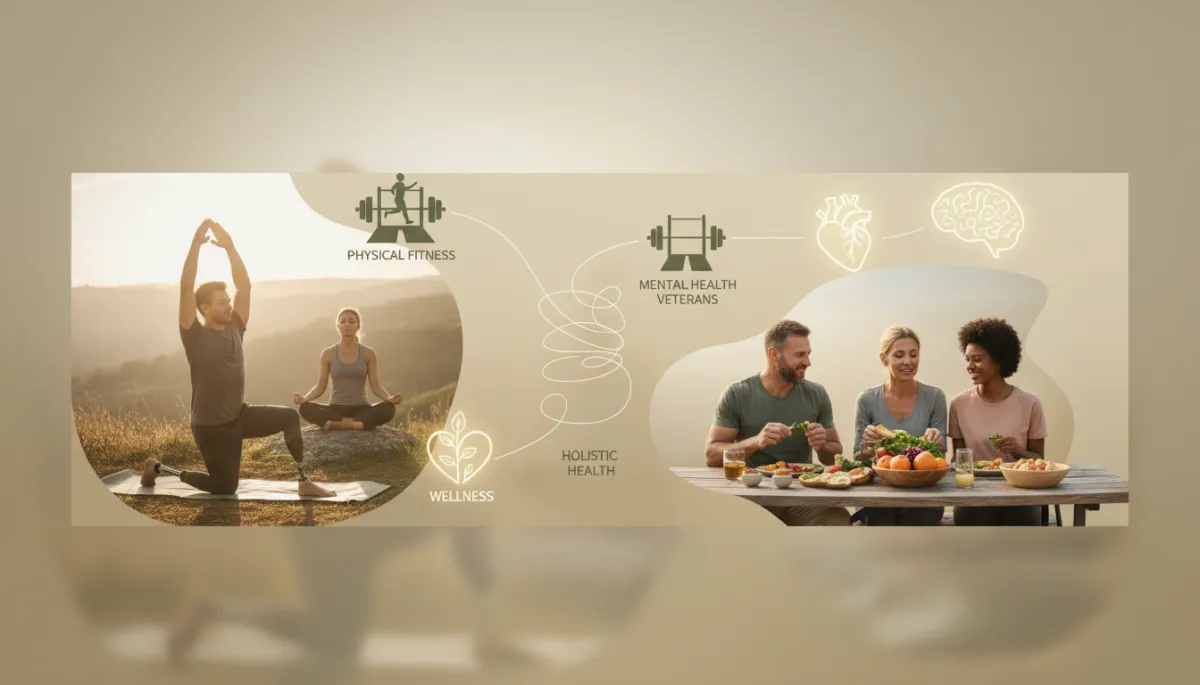
7 Health Pillars for Veteran Wellness Explained
Health, Veteran Wellness, Holistic Health
The 7 Pillars of Health and Wellness in Veterans Explained
Veterans carry unique strengths—and unique burdens. From training and deployments to the transition back to civilian life, every stage can leave a mark on the body, mind, and spirit. Understanding the key Pillars Of Health can help veterans, and those who care about them, build a strong foundation for long-term wellness in a way that feels realistic and supportive, not overwhelming.
In this guide, we’ll walk through seven essential Health Pillars—physical, mental, emotional, social, spiritual, environmental, and purpose & growth—through the lens of Veteran Wellness. You’ll find practical ideas, gentle encouragement, and small steps you can start today, whether you’re a veteran yourself, a spouse or family member, or simply someone who wants to better understand and support the veterans in your life.
Why Pillars Of Health Matter So Much for Veterans
During military service, wellness often means being “mission ready”—fit enough to do the job, sharp enough to make quick decisions, and tough enough to keep going. After service, the definition of wellness changes. Instead of preparing for the next mission, it becomes about building a life that feels meaningful, connected, and sustainable. That’s where understanding the core Pillars Of Health makes a real difference.
These pillars aren’t just buzzwords. They’re practical areas you can focus on to support Holistic Health—the whole person, not just one symptom or diagnosis. When even one pillar becomes stronger, it can positively affect the others. Likewise, when one area is struggling, it’s common to feel the impact everywhere. The good news is that progress doesn’t have to be perfect or dramatic. Small, steady steps truly add up over time.
💡 Gentle Reminder: You don’t have to “fix” everything at once. Start with the pillar that feels most manageable, and build from there.
Pillar 1: Physical Fitness – Moving Your Body at Your Own Pace
Many veterans have a complicated relationship with Physical Fitness. In service, fitness is structured, measured, and often pushed to the limit. After service, chronic pain, injuries, and changing routines can make movement feel frustrating—or even discouraging. But physical activity doesn’t have to look like boot camp to be effective. It simply needs to support your body, energy, and daily life in a way that feels realistic now, not ten years ago.
Redefine “fit.” Fitness can mean walking your dog, stretching in the morning, gardening, or doing light strength work with resistance bands. If it gets you moving and you can repeat it regularly, it counts.
Start where you are. If you haven’t exercised in a while, aim for 5–10 minutes of gentle movement a day. Celebrate consistency over intensity—showing up matters more than pushing hard.
Work with your body, not against it. Old injuries, joint pain, or mobility issues are common. Talk with a VA provider, physical therapist, or trainer familiar with veterans to find safe modifications that still help you stay active.
Physical Fitness isn’t only about strength or endurance. It also supports better sleep, mood, and energy. Even a short walk can help clear your head and reduce stress. If you’re supporting a veteran, consider joining them—a shared walk or stretching session can double as quality time and movement.
Pillar 2: Nutrition For Veterans – Fuel That Honors Your Service
Food is more than calories—it’s fuel, comfort, and sometimes even a way to cope with stress. For many veterans, eating patterns may have been shaped by chow halls, field rations, long shifts, or irregular schedules. After service, it can be tough to shift into a more balanced, intentional way of eating. The goal with Nutrition For Veterans isn’t a perfect diet; it’s a practical one that supports your energy, mood, and long-term health without feeling like punishment.
Build simple, balanced meals. Aim for a combination of lean protein (chicken, fish, beans, eggs), colorful vegetables, whole grains (brown rice, oats, whole-wheat bread), and healthy fats (nuts, olive oil, avocado). Think “protein + color + fiber” on your plate.
Hydration matters. Dehydration can show up as fatigue, headaches, or irritability. Keep water nearby and sip throughout the day. If plain water isn’t appealing, try herbal tea or water with a slice of lemon or cucumber.
Plan for real life. Long workdays, appointments, or family responsibilities can make cooking hard. Keep quick, healthier options on hand—frozen vegetables, canned beans, rotisserie chicken, pre-washed salad greens, or ready-to-eat oatmeal cups can save time without sacrificing nutrition.

Shared cooking rituals can turn healthy eating into connection and comfort.
Many veterans also live with conditions like high blood pressure, diabetes, or digestive issues related to service. A registered dietitian—especially one familiar with Veteran Wellness—can help tailor a plan to your needs. If that feels like a big step, begin with one small change: add one serving of vegetables a day, swap one sugary drink for water, or eat breakfast most mornings. Small shifts in Nutrition For Veterans can have a big impact over time on energy, weight, and even mood.
Pillar 3: Mental Health Veterans – Caring for the Invisible Wounds
When we talk about Mental Health Veterans, we’re talking about a wide range of experiences—PTSD, depression, anxiety, moral injury, traumatic brain injury, grief, and the everyday stress of navigating civilian life after service. These challenges are real, and they are common. They’re also nothing to be ashamed of. Just as you’d treat a broken bone, your mind and nervous system deserve care and support when they’ve been through a lot.
Unfortunately, many veterans grew up with the message that asking for help is weakness. In reality, it takes courage to say, “I’m not okay, and I’d like to feel better.” Reaching out is an act of strength, not failure. Mental wellness is a central part of the Pillars Of Health, and tending to it can improve sleep, relationships, work, and physical health too.
Know the signs. Persistent sadness, irritability, emotional numbness, nightmares, trouble concentrating, feeling constantly on edge, or withdrawing from people you care about can all be signs that your mental health needs attention.
Explore support options. The VA, Vet Centers, and many nonprofits offer counseling, peer support groups, and crisis lines specifically for veterans. Some provide telehealth, which can make it easier to reach out from home.
Practice small grounding tools. Simple techniques—like slow breathing, naming five things you can see, or feeling your feet firmly on the floor—can help calm your nervous system in stressful moments.
📌 Key Takeaway: Your mental health is just as real and important as your physical health. You deserve support, not stigma.
Pillar 4: Emotional Wellness – Making Space for Feelings, Not Just “Sucking It Up”
Emotional wellness is closely related to mental health, but it focuses more on how you experience, express, and manage your feelings day to day. Many veterans were trained to push emotions aside to complete the mission. That skill can be lifesaving in combat—but later, it can make it hard to process grief, anger, guilt, or even joy. Emotional wellness means learning to notice your feelings without judging them, and finding healthy ways to express and release them.
Name what you feel. Simply putting words to your emotions—“I feel tense,” “I feel lonely,” “I feel proud”—can reduce their intensity and help you understand what you need.
Create safe outlets. Journaling, talking with a trusted friend, creative arts, music, or time in nature can all be ways to release emotions without hurting yourself or others.
Challenge old stories. If you grew up hearing “real men don’t cry” or “you should be over it by now,” remember: those are cultural messages, not facts. Feeling deeply is part of being human, not a sign of weakness.
Emotional wellness supports every other Health Pillar. When you’re able to acknowledge how you feel, it becomes easier to ask for what you need, set boundaries, and connect with others in honest, meaningful ways.
Pillar 5: Social Connection – You Don’t Have to Walk This Road Alone
During service, camaraderie is often built-in. You train, work, and sometimes fight side by side. After service, that sense of belonging can be hard to replace. Many veterans describe feeling like they don’t quite fit in with civilians, or that others can’t understand what they’ve seen or done. Social wellness is about rebuilding a sense of connection and community—even if that looks different than it did in uniform.
Reconnect with trusted people. This could be fellow veterans, family, old friends, or new acquaintances from work, school, or hobbies. You don’t need a large circle; a few safe, steady connections can make a big difference.
Explore veteran-specific groups. Many communities have veteran organizations, peer support groups, or recreational programs (like hiking, fishing, or team sports) designed to help veterans connect while doing something enjoyable.
Set boundaries with toxic relationships. If certain people drain your energy, dismiss your experiences, or encourage unhealthy coping, it’s okay to limit your time with them. Protecting your peace is part of wellness.
Social support has been shown to reduce symptoms of depression and anxiety, lower stress, and even improve physical health. For veterans, feeling understood and accepted—especially by others who “get it”—can be one of the most powerful forms of healing within the broader Wellness journey.
Pillar 6: Spiritual and Inner Life – Finding Meaning Beyond the Uniform
Spiritual wellness doesn’t have to be religious—though it certainly can be. At its core, this pillar is about meaning, values, and a sense of connection to something larger than yourself. For some veterans, service brought a strong sense of purpose, sacrifice, and identity. Transitioning out can leave big questions: Who am I now? Did what I did matter? How do I live with what I’ve seen or lost?
Reflect on your values. What matters most to you now—family, integrity, service, creativity, faith, justice? Aligning daily choices with your values can bring a sense of peace and direction.
Explore practices that quiet the noise. Prayer, meditation, time in nature, breathing exercises, or simply sitting in silence with a cup of coffee can all be ways to reconnect with yourself and your beliefs.
Seek supportive guidance. Chaplains, spiritual directors, or culturally informed therapists can help you process moral injury, survivor’s guilt, or big questions about meaning and purpose.
Nurturing your inner life doesn’t erase pain, but it can help you carry it differently. It’s a vital part of Holistic Health, especially for veterans working through complex experiences that don’t have easy answers.
Pillar 7: Environment, Purpose, and Growth – Creating a Life That Fits You Now
The final pillar brings together your surroundings, your sense of purpose, and your ongoing growth. After leaving the structure of the military, many veterans struggle with feeling unmoored. The routines, clear roles, and mission focus are gone, and civilian life can feel chaotic or aimless. This pillar is about shaping an environment and daily rhythm that supports your Wellness and reflects who you are today—not just who you were in uniform.
Your Physical Environment
Your home, workplace, and community can either support or strain your health. For some veterans, cluttered or chaotic spaces increase anxiety. Others may feel on edge in crowded or noisy environments. A supportive environment doesn’t have to be fancy—it just needs to feel safe and workable for you.
Create one calm corner at home with comfortable seating, soft lighting, and items that bring you peace—photos, books, or meaningful objects.
Reduce unnecessary noise where you can, or use soothing sounds like gentle music or nature sounds to counteract stress.
Purpose and Growth After Service
Purpose is a powerful driver of Veteran Wellness. It doesn’t have to be a grand mission; it can be as simple as being a present parent, supporting other veterans, learning a new skill, or contributing to your community. Growth means allowing yourself to evolve, try new things, and imagine a future that excites you, even if it looks very different from your past roles.
Explore work, volunteering, or hobbies that tap into your strengths—leadership, teamwork, problem-solving, discipline, or compassion.
Consider education or training programs that open new doors. Many organizations offer veteran-specific support for school and career transitions.
💡 Pro Tip: It’s normal if your new purpose doesn’t appear overnight. Follow your curiosity, and let small interests grow into bigger possibilities.
How the 7 Health Pillars Work Together for Holistic Health
Each of these seven Health Pillars—physical fitness, nutrition, mental health, emotional wellness, social connection, spiritual life, and environment & purpose—works like a support beam in a house. If one beam weakens, the structure can still stand, but it may feel less stable. Strengthen several beams at once, even a little, and the whole house feels safer and more solid. That’s the heart of Holistic Health: recognizing that your body, mind, relationships, environment, and sense of meaning are deeply connected.
For example, when you improve Nutrition For Veterans by eating more balanced meals, you might notice better energy and fewer mood swings. That extra energy can make it easier to go for a walk, which supports Physical Fitness and Mental Health. Moving your body can help you sleep better, which boosts patience and emotional resilience, making it easier to connect with others. Over time, these small, positive loops reinforce one another and strengthen your overall Wellness.
Practical Steps to Start Strengthening Your Pillars Today
Looking at all seven pillars at once can feel like a lot. The key is to start small and stay kind to yourself. You don’t need to overhaul your entire life to move toward better Veteran Wellness. Here are a few gentle ways to begin:
Choose one pillar to focus on this week. Maybe it’s walking for 10 minutes a day, adding one extra glass of water, or texting a friend you trust. Let that be enough for now.
Set realistic, specific goals. Instead of “I’ll get in shape,” try “I’ll stretch for five minutes after I wake up on weekdays.” Clear, small goals are easier to stick with and celebrate.
Track what helps you feel better. Pay attention to what leaves you feeling calmer, stronger, or more connected. Do more of those things, even if they seem small or ordinary.
Reach out for support. You don’t have to walk this road alone. Friends, family, fellow veterans, health professionals, and support organizations can all be part of your wellness team.
Supporting a Veteran You Love: Simple Ways to Help
If you’re a spouse, partner, family member, or friend of a veteran, you play an important role in their Holistic Health—but it’s not your job to “fix” them. Instead, think of yourself as a steady ally who can gently support these seven Health Pillars in everyday ways.
Invite them to join you for walks, simple workouts, or cooking a healthy meal together.
Listen without rushing to give advice. Sometimes being heard is the most healing thing of all, especially around Mental Health Veterans issues.
Learn about available resources—VA services, local veteran groups, hotlines, or community programs—so you can gently share options when they’re ready.
Take care of your own wellness too. Supporting someone who’s struggling can be draining. Your health matters just as much.
Bringing It All Together: A Friendly Roadmap for Veteran Wellness
The 7 Pillars Of Health are more than a checklist—they’re a compassionate framework for understanding what you need to feel well, whole, and supported after service. For veterans, each pillar may carry its own challenges, shaped by experiences in training, deployment, and transition. Yet each pillar also offers opportunities for healing and growth, one small step at a time.
You don’t have to tackle everything at once. Maybe this week, you focus on Physical Fitness by walking around the block. Next week, you might add a simple change in Nutrition For Veterans, like eating a more balanced breakfast. Over time, you might explore counseling for Mental Health, reach out to a fellow veteran, or create a calm corner in your home. Each action, no matter how small, is a vote for your own Wellness and a sign that your health and happiness matter.
“You are not the same person who first put on the uniform—and that’s okay. You’re allowed to grow, heal, and build a life that fits who you are now.”
Whether you’re a veteran or someone who loves one, remember: progress is rarely a straight line. There will be good days and hard days. What matters is continuing to return to these Health Pillars with curiosity and kindness. Over time, those small, steady efforts can create a life that feels more grounded, connected, and meaningful—one that honors your service while also honoring the person you are today.
If this resonates with you, consider choosing just one pillar to focus on this week. Write it down, share it with someone you trust, and give yourself credit for every step you take. You’ve already made it through so much. You deserve a future built on strong pillars of health, deep wellness, and genuine peace.